Blog
 Categories
 - Blue Sapphire (Neelam)
- Yellow Sapphire (Pukhraj)
- Emerald (Panna)
- Ruby (Manik)
- Diamond (Heera)
- Pearl (Moti)
- Cat's Eye (Lehsunia)
- Hessonite (Gomed)
- Coral (Moonga)
- Amethyst
- Opal
- Alexandrite
- festive
- Sapphires
- Ammolite
- Larimar Stone
- Turquoise Stone (Firoza)
- Tourmalines
- Moonstones
- Lapis Lazuli
- Zodiac Birthstone
- Citrine
- Tanzanite
- Gemstone
- Trending
- Color Gemstone
Top 10 interesting facts about alexandrite
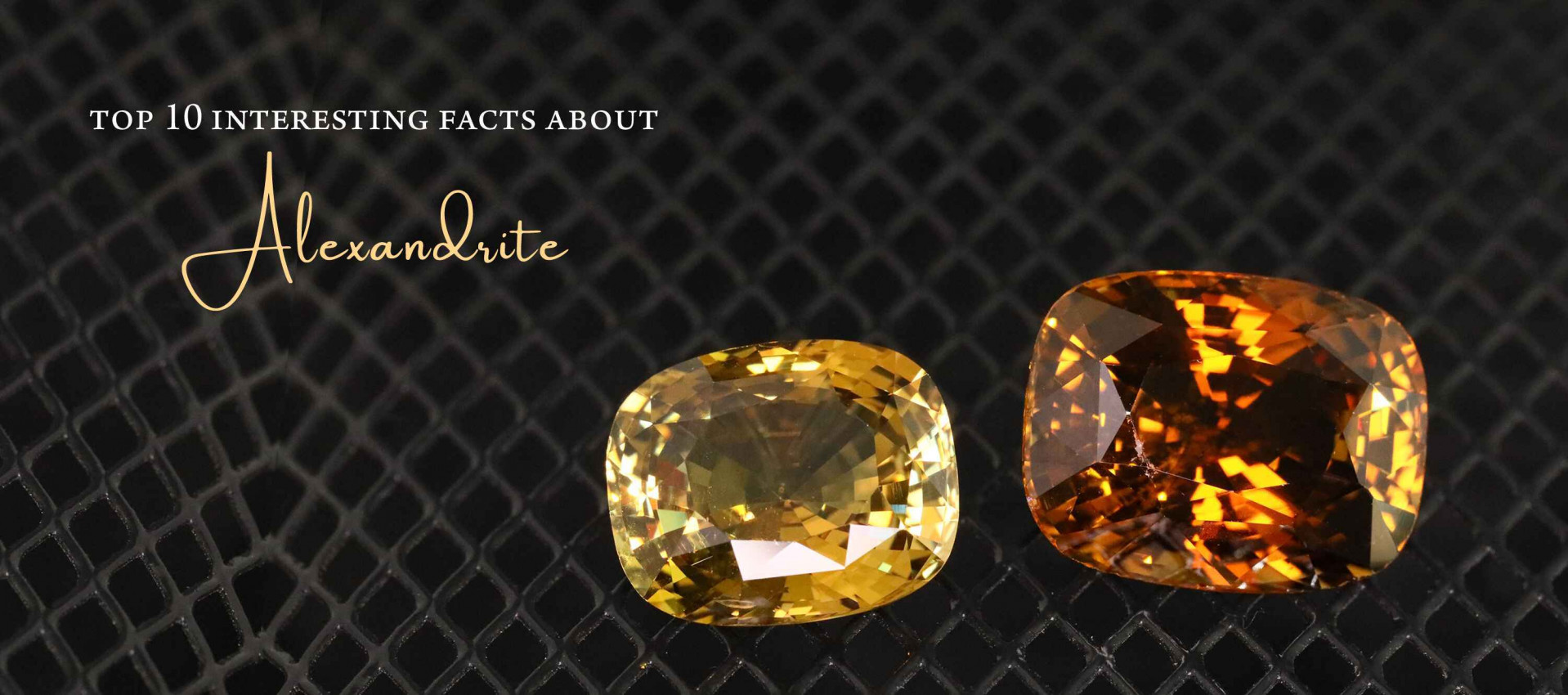
Although alexandrite is a known gemstone, the fascinating details of its story and features might not be well known. By browsing through the top 10 most interesting facts about alexandrite you'll understand why it is so special and valuable. With its unique ability to change color, its inherent rarity, and its links to Russian royalty, alexandrite stone holds some surprises even for seasoned jewelers. As a mysterious gemstone, alexandrite has almost had the science, scarcity, and lore among its mystique. As you get to know these secrets of the June birthstone, you will understand why this gem keeps wooing gem enthusiasts across the globe.

What Is Alexandrite? A Brief History of This Rare Gemstone
Alexandrite is a color-changing gemstone that is also extremely rare and valuable. The alexandrite was first discovered in Russia’s Ural Mountains in the 1830s and was named after the future czar Alexander II. Some key facts about this prized jewel include:
- Alexandrite is a variety of the mineral chrysoberyl, which is an aluminate of beryllium. Its chemical composition gives it special optical properties.
- Original alexandrite stone can display green, red, and purple colors - even the same stone can shift between green and red depending on the light source. This phenomenon is called the "alexandrite effect.”
- Fine-quality alexandrite is very scarce, especially stones over one carat. This scarcity makes it one of the most expensive gems in the world, valued for its rarity and color change.
- Russia has remained the primary source of alexandrite over history, but small deposits have been found in countries like Brazil, Sri Lanka, Zimbabwe, and Tanzania.
- Synthetic versions are more affordable alternatives created in labs to imitate natural alexandrite stone, but connoisseurs still prize genuine stones.
- Alexandrite jewelry surged in popularity during the Art Nouveau period in the late 1800s and early 1900s when colorful gems were widely featured in intricate designer settings.
So in summary, know about alexandrite is a remarkable variety of chrysoberyl with a signature color change that makes it unlike any other gem. First unearthed in 19th century Russia, natural alexandrite is still exceptionally scarce and coveted by gem enthusiasts around the world.
Top 10 Fascinating Facts About Alexandrite Stones
Alexandrite is a rare and valuable gemstone with an amazing ability to change color. Here are 10 fascinating things to know about these phenomenal stones:
- Alexandrite stone is a variety of chrysoberyl that displays a remarkable color change from green in daylight or fluorescent light to red, purple, or brown in incandescent light. This unique phenomenon is called the "alexandrite effect."
- Natural alexandrite is exceptionally scarce, originally discovered in Russia's Ural Mountains in the 1830s. Fewer than one in every 100,000 chrysoberyl stones exhibit the coveted color change that defines alexandrite.
- The alexandrite stone is named after the future Czar Alexander II of Russia, as it was first identified around the time of his coming-of-age ceremony. The imperial association increased its status.
- Alexandrite laser crystals have been used for hair removal and other cosmetic skin procedures for decades due to their high-performance optical qualities.
- Synthetic versions have been created in labs, but most gem experts consider natural-source stones to be far superior in clarity and color change abilities.
- Alexandrite is the birthstone for June and the zodiac sign Gemini. It's said to bring good fortune, boost creativity, and inspire imagination according to mystical gem lore.
- This June birthstone is also used to commemorate important events like the 55th wedding anniversaries and other major milestones.
- Flawless alexandrite's over one carat are valued at over $20,000 per carat, making them more precious than diamonds to collectors around the globe.
- Russia, Sri Lanka, Zimbabwe, Madagascar, Tanzania, and Brazil have sourced natural alexandrite gemstones over the past two centuries of mining history. New deposits are rarely discovered.
- Green and purple are symbolic colors in many cultures, adding to the legendary mystique surrounding this phenomenal chameleon gem.
Alexandrite Stone Prices and Where to Buy This Unique Gem
Alexandrite is a rare and valuable gemstone, prized for its ability to change color in different lighting. Here is some key pricing information and where you can purchase this one-of-a-kind stone:

Quality and Size Dramatically Affect Price
The alexandrite stone price can range dramatically depending on the quality - from just $2,000 per carat for lower-grade stones to over $20,000 per carat for top-quality gems with excellent color change ability. Larger stones also command exponentially higher prices. An alexandrite of just one or two carats can sell for thousands of dollars.
Russia Produces Most Alexandrite
The vast majority of natural alexandrite stone still comes from Russia, where it was first discovered in the 19th century. Russian alexandrite tends to be of very high quality. Some alexandrite is also mined in Sri Lanka, Brazil, India, and East Africa, but Russian stones are generally the most prized.
Purchase From Reputable Dealers
With its extremely high value, alexandrite is prone to enhancement, treatment, fakes, and fraud. It's essential to buy from a highly reputable gemstone dealer. The best option is to purchase an accredited gem laboratory-certified alexandrite. This assures the stone's authenticity and quality.
Online Retailers Offer Wider Selection
Due to its scarcity, many local jewelry stores don't carry alexandrite. Online gemstone sellers provide more choices. Carefully research seller ratings, certifications, return policies, etc. before purchasing a valuable gemstone online. Alexandrite remains an exceptionally precious and distinctive gem. Understanding typical pricing and where to shop safely allows you to find this chameleon-like stone.
Conclusion
Alexandrite is a remarkable gemstone with a rare color-changing ability as you read above. This pleochroic quality, along with its scarcity and historical lore, has contributed to its mystique. With a hardness of 8.5 on the Mohs scale, alexandrite is also a durable stone suitable for jewelry. Although difficult to find and therefore quite valuable, many still appreciate alexandrite for its distinctive beauty. As you have learned, this unusual gem has an intriguing history intertwined with the discovery of one of the world's richest gold deposits as well as royal Russian heritage. Hopefully, you have gained an appreciation for this fascinating stone and the 10 interesting facts illuminated here.


- Blue Sapphire (Neelam)
- Yellow Sapphire (Pukhraj)
- Emerald (Panna)
- Ruby (Manik)
- Diamond (Heera)
- Pearl (Moti)
- Cat's Eye (Lehsunia)
- Hessonite (Gomed)
- Coral (Moonga)
- Amethyst
- Opal
- Alexandrite
- festive
- Sapphires
- Ammolite
- Larimar Stone
- Turquoise Stone (Firoza)
- Tourmalines
- Moonstones
- Lapis Lazuli
- Zodiac Birthstone
- Citrine
- Tanzanite
- Gemstone
- Trending
- Color Gemstone


-
 May 7th, 2026
 -
 March 10th, 2026
 -
Timeless Jewelry Essentials: 5 Investment Pieces Everyone Needs
March 7th, 2026 -
 March 5th, 2026
 -