
Blog
 Categories
 - Blue Sapphire (Neelam)
- Yellow Sapphire (Pukhraj)
- Emerald (Panna)
- Ruby (Manik)
- Diamond (Heera)
- Pearl (Moti)
- Cat's Eye (Lehsunia)
- Hessonite (Gomed)
- Coral (Moonga)
- Amethyst
- Opal
- Alexandrite
- festive
- Sapphires
- Ammolite
- Larimar Stone
- Turquoise Stone (Firoza)
- Tourmalines
- Moonstones
- Lapis Lazuli
- Zodiac Birthstone
- Citrine
- Tanzanite
- Gemstone
- Trending
- Color Gemstone
Red Coral: 10 Things You Need To Know Before You Buy
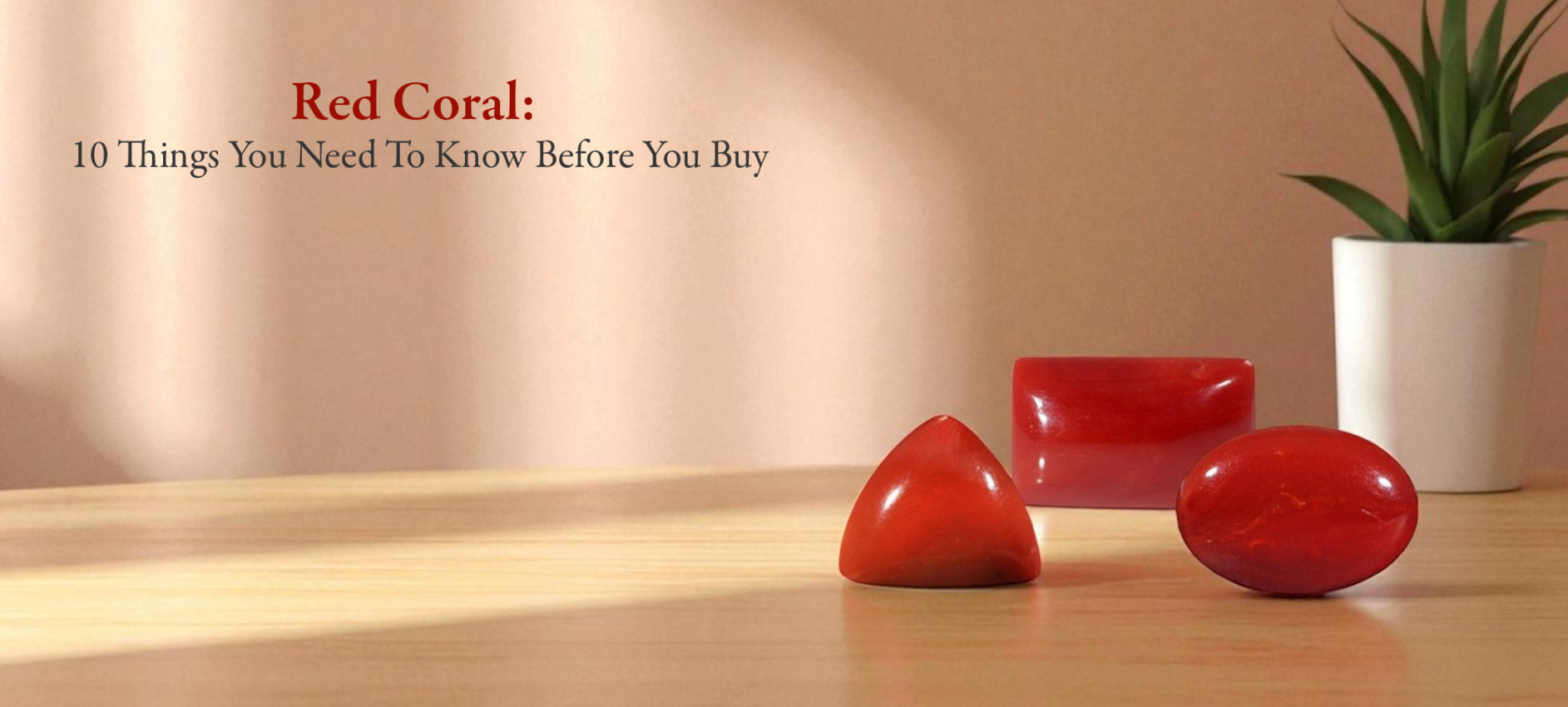
Red Coral or Laal Moonga is not merely just a gemstone, but rather an Oceanic living relic to the world that is culturally saturated with its incessant existence as its most magical feature is mesmerising hues as well as astrological or healing properties.
A red coral is attractive because of its vivid hue and is in demand because it has metaphysical properties, but the process of purchasing one must be wise. This is just what you need to know before investing in this marine wonder: the 10 essential points
before diving (pun intended) into investment.


1. Born of the Sea, not of Earth
Red coral is an organic mineral, unlike most
gemstones
that are usually found in the crust of the Earth. This gem is biologically formed by marine polyps that construct their calcium carbonate body over time in hundreds of years. The best of these are obtained from:
- Mediterranean Sea (Corallium rubrum): Has a red, brilliant, deep color
- Japanese waters (Corallium japonicum): Ox-blood colours, valued texture
- Indian Ocean and Sri Lanka: more light saturated, more intense colours
Each of these different origins has an effect on the color, texture and price of the coral.
Read more - Facing Delays in Marriage Due to Manglik Dosha? Red Coral Can Help .
2. Real vs. fake: Can you tell the difference between the genuine and the imitation?
The
red coral
is usually faked by dying bamboo coral, plastic or glass. In order to guarantee authenticity:
- Be willing to check if there are any natural inclusions because very smooth stones are usually artificial.
- Look at the evident pores and smooth matte appearance.
- The stones that feel hot in the hands due to contact should be avoided (they could be synthetic)
- Look at it through a magnifying glass, checking whether there are bubbles or smears
Though the best way is to buy from a renowned seller who provides lab report or certification with every gem. Indeed, Certification should always be carried out by a well-known gemological laboratory.
3. Color: The Darker, the Better
The most paramount value factor is color. Red coral of good quality ought to be:
- No undertones, and has a deep red or ox-blood hue
- No discolouration, zoning or pale patches
- Uniform across the surface
- Do not have pinkish or yellowish colours, which means less quality or stress in the development environment.
4. Cut & Shape: More Than Just Aesthetic
Red coral is brittle (Mohs hardness 3.5–4), so it’s typically cut into cabochons. Popular shapes include:
|
Shape |
Use |
|
Triangular |
Astrological
rings
|
|
Oval |
Necklaces, pendants |
|
Rectangular |
Bracelets, daily wear
jewelry
|
|
Round |
Beaded jewelry, spiritual talismans |
Shape doesn’t affect astrological potency, but it does influence durability and style
More to know - Which Shape of Red coral is best?

5. Astrological Significance - Ruled by Mars
According to Vedic astrology, red coral is under the influence of Mars (Mangal Grah), which is the planet of vigour, boldness and action. It is suggested that the following people should wear this gem:
-
People born under the zodiac Aries and Scorpio
- The people who are undergoing the Mahadasha of Mars
- Individuals who want to feel secure, energetic and powerful
Ask an astrologer whether you should wear this gemstone or not to ensure it is suitable for you. If it is not suitable for you to wear, do not wear it, or you may face its counter effects.
Also Read - Who Can Wear Red Coral Ring & How
6. The Healing Benefits of Red Coral - Physically, Emotionally and Spiritually
Red coral is supposed to maintain:
- Cardiovascular system and heart condition
- The strength of the bones and the alleviation of joint pains
- Lessening of stress and anxiety, depression
- Guard against negativity, black magic and the evil eye
- It is mostly used to promote confidence, creativity and leadership.
Know in detail here - Astrological Benefits of Red Coral
8. Care & Maintenance
The red coral is porous and friable, and being sensitive, should be treated with caution:
- Wash using a soft cloth and detergent of low strength
- Avoid Sonic cleaner, caustics or heat
- Keep them in separate stores to avoid scratching each other
- Reenergize it with dry sea salt or sunshine for a few hours
Further Reading - Care and Cleaning of Red Coral Gemstone
9. Learning Where to Buy: Making the Right Choice
Buy only from reputable sellers who offer:
- Certification of authenticity
- Transparent grading (Color, Cut, Clarity, Carat)
- Ethical sourcing practices
Do not go for an impulse buy, or uncertified online products. Get a recommendation from a gemologist to gain advice on your final decision.
10. How to Wear: Rituals Count
In order to have maximum benefits of astrology, make sure you follow the rituals and wear the gem through the energization process
- Wear the gem in gold, or copper ring, preferably on Tuesday
- Before wearing, make sure you dip it in Gangajal or cow Milk
- Chant the mantra of Mars 108 times.
- The mantra: Om Bhaum Bhaumaye Namah; face east.
Make sure that the gem is in contact with your skin when it comes to the alignment of the energy, so wear it in the form of a ring, bracelet or pendant only.
Know the step-by-step process here - How to Wear Moonga?
Final Thoughts


- Blue Sapphire (Neelam)
- Yellow Sapphire (Pukhraj)
- Emerald (Panna)
- Ruby (Manik)
- Diamond (Heera)
- Pearl (Moti)
- Cat's Eye (Lehsunia)
- Hessonite (Gomed)
- Coral (Moonga)
- Amethyst
- Opal
- Alexandrite
- festive
- Sapphires
- Ammolite
- Larimar Stone
- Turquoise Stone (Firoza)
- Tourmalines
- Moonstones
- Lapis Lazuli
- Zodiac Birthstone
- Citrine
- Tanzanite
- Gemstone
- Trending
- Color Gemstone


-
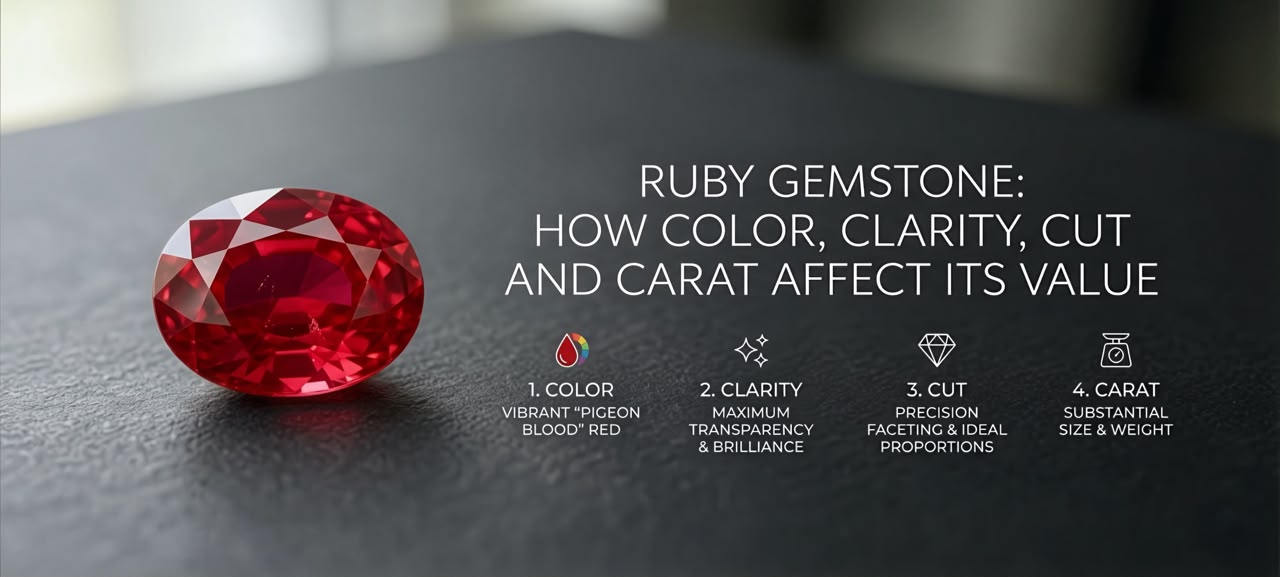
Ruby Gemstone: How Color, Clarity, Cut and Carat Affect Its Value
September 22nd, 2026 -

What Makes Blue Sapphire One of the Most Valuable Gemstones?
September 17th, 2026 -
 August 7th, 2026
 -
 July 30th, 2026
 -
 July 22nd, 2026