
Blog
 Categories
 - Blue Sapphire (Neelam)
- Yellow Sapphire (Pukhraj)
- Emerald (Panna)
- Ruby (Manik)
- Diamond (Heera)
- Pearl (Moti)
- Cat's Eye (Lehsunia)
- Hessonite (Gomed)
- Coral (Moonga)
- Amethyst
- Opal
- Alexandrite
- festive
- Sapphires
- Ammolite
- Larimar Stone
- Turquoise Stone (Firoza)
- Tourmalines
- Moonstones
- Lapis Lazuli
- Zodiac Birthstone
- Citrine
- Tanzanite
- Gemstone
- Trending
- Color Gemstone
What Makes Blue Sapphire One of the Most Valuable Gemstones?

The blue sapphire has always been the most coveted of all the sapphires. From being stated as a stone of divinity in sacred books to embracing the crowns of monarchs, this gemstone has a history of its own. It has been the popular choice for jewelry for a long time, when only diamonds ruled the bijouterie. The vivid blue color, hardness, and historical value suggest why blue sapphire still holds a prominent position amongst the “big three” precious gemstones.
With quality gemstones increasingly being considered an alternative investment, this sapphire is largely sought after by collectors, investors, and fine-jewelry enthusiasts for its rarity and long-term value.
However, with so many sapphire varieties, origins, treatments, and quality factors, it is difficult to choose the valuable and authentic ones.
So if you are looking to buy a blue sapphire (neelam ratna), then we have covered the basics for you to make a sound choice.
What is Blue Sapphire?
Blue sapphire stone is a precious ratna from the mineral corundum. The chemical formula of sapphire is aluminum oxide. It is made of two aluminum atoms with every three parts of oxygen.
Color is the most important factor that makes blue sapphire most valuable. The sapphire blue color is due to the presence of iron and titanium. The concentration of these elements determines the exact shade of the sapphire. So, the higher the concentration of iron, the darker the blue hue of the stone. Lower concentration yields vivid blue sapphires.
Top-tier blue sapphire varieties of Kashmir origin are considered more precious than gold. Their scarcity and enduring demand make fine Kashmir sapphires attractive to collectors and jewelry lovers.
Besides the beautiful color, sapphires rank high on the Mohs scale of hardness, making them the most suitable gemstone for jewelry.
Key chemical and physical properties of sapphire :
Hardness: 9 on the Mohs scale
Refractive Index: 1.762–1.778.
Crystal System: Trigonal
What Makes It So Valuable & Popular?
The enduring color and popularity make neelam ratna the most popular gemstone. The key drivers are:
History and Royalty: The blue sapphire’s association with royalty and divinity has spanned a long time. In many cultures, it has been used as a talisman for protection. Persians believed that this sapphire reflected the color of the sky and thus was linked to divinity. The color blue is significant to royalty, and this became one of the reasons why it was chosen as the most desirable stone for royal jewelry collections.
Sapphires are gemstones that last for a long time, whether for their beauty or significance. That is why they are most accepted as heirlooms. Princess Diana’s blue sapphire engagement ring is the perfect example of how a sapphire can combine timeless beauty and sentimental value, making it a treasured piece that can be transferred to future generations. This ring is now a cherished jewelry piece with Kate Middleton, daughter-in-law of Princess Diana.
Read More in our blog: A World of Royal Romance Forever – Princess Diana Ring
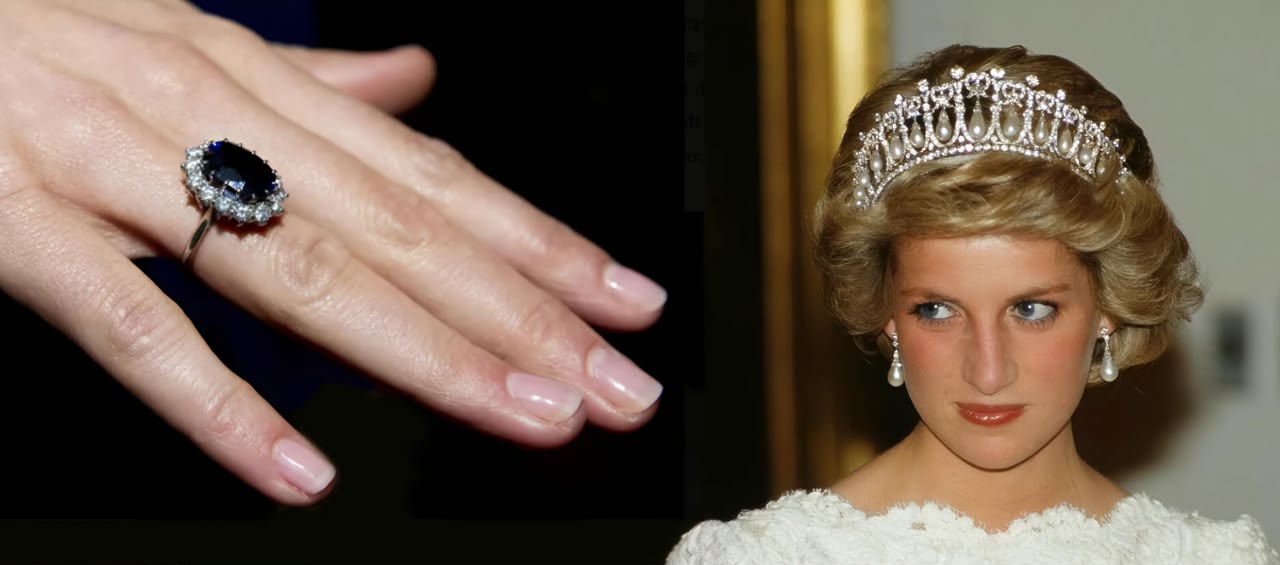
Rarity and Origin: Blue sapphires are rare, and this makes them more valuable. Top-tier origins like Kashmir and Ceylon (Sri Lanka) command premium prices due to distinct color and historical prestige. Kashmir blue sapphire features a velvety blue color, which is different from all other blue shades, making this stone a must-have choice among all other blue gemstones. These gems are sourced from legendary Kashmiri mines, access to which is difficult, leading to their scarcity. Kashmiri sapphire mines are closed completely, making these stones rare and valuable.
High-quality Sri Lankan blue sapphires are also valuable. These are known for their color and clarity. Mined from famous Ratnapura mines, Ceylon sapphires feature a highly saturated, vivid blue color. Along with the color, high clarity makes them an ideal choice for jewelry.
Read More: Origins of Blue Sapphire (Neelam) Gemstone
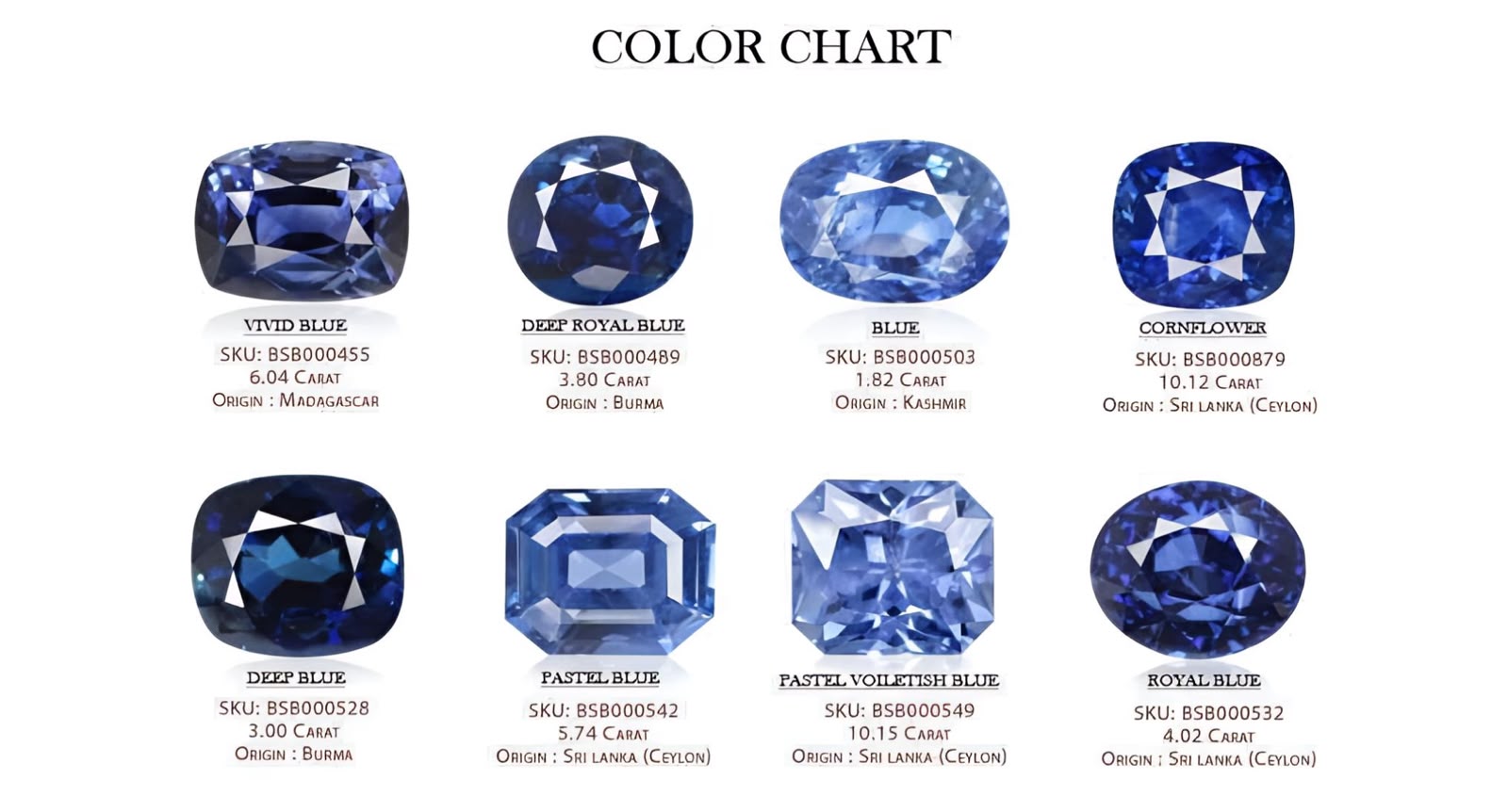
Color Dynamic: Vivid "Royal Blue" and "Cornflower Blue" are the most expensive sapphire colors. These can be sold
for thousands to lakhs depending on the quality. The sapphire color is judged by three factors: hue, saturation, and tone.
- Hue: It is the basic color of the stone, which is in higher concentration. Blue is the primary hue in sapphires, and secondary hues include purple, violet, green, and gray. Buy a blue sapphire that features a vivid blue color with a purple tint. This is the ideal color for those looking for jewelry for special occasions, heirlooms, or even for astrological purposes.
- Saturation: It is the intensity of the color. Highly saturated blue sapphires are valuable as they reflect the pure color. Weakly saturated sapphires look pale and thus reduce the value of the stone.
- Tone: It refers to the dark or light hue of the stone. Medium-tone sapphires are valuable as they reflect the maximum color and clarity.
If you are thinking of buying a blue sapphire, make sure hue, saturation, and tone are well balanced.
Debunking the Color Myth: Are Darker Sapphires More Valuable?
No, oversaturated or darker sapphires are less valuable because they lack brilliance. The most prized blue sapphires are the ones with vivid color, high saturation, and medium tone. Commercial-grade sapphires, especially those mined from Australia, Thailand, Cambodia, and Nigeria, are darker in color.
These gems look opaque and have less transparency. Such inky colored blue sapphires are affordable and make a good centerpiece for budget-friendly jewelry. To get a better idea of how the color of a valuable sapphire should look, read our blog: Which Blue Sapphire Color Is Considered Most Valuable?
Market Trends: Synthetic Gems & The Surge in Fakes
High demand and limited supply of original neelam stone have grown interest in synthetic, lab-grown, glass-filled, or diffusion-treated imitation gems.
These imitations or synthetic sapphires are affordable, but they lack market value. Lab-grown sapphires mimic the physical, chemical, and optical properties of the original ones. They look like exact replicas of the original blue sapphires, and consumers get confused and often duped if they do not have the proper information. Thus, the demand for authentic certificates from recognised laboratories has increased.
High-quality natural neelam ratna is popular in jewelry and astrology. In Indian astrology, the original neelam stone is considered to be the most powerful and effective gemstone for Saturn. Shani Sade Sati and Mahadasha are tough astrological periods in one’s life because of an ill-placed Shani, and this stone is the best remedy for it.
Vedic astrology holds that synthetic or lab-grown blue sapphires do not carry any cosmic energy and hence are not suitable for astrological use. Untreated and natural Neelam is the ultimate solution for Shani's ill effects.
Budget-friendly options like Iolite and Blue spinel are available in the market. They are used as upratnas or substitutes for blue sapphire. Because they mimic the color of sapphire, sellers often mislabel these substitutes and sell them as Neelam ratna.
The role of identifying the real ones from the fake and lookalikes comes here. The market value of blue sapphires is limited
to geographic origin. Kashmir and Sri Lankan sapphires command high prices and are popular choices for astrology because
of their vivid color and transparency.
How to Identify Real vs. Fake Blue Sapphire
Identifying a real blue sapphire from fake ones is not easy because they look similar at first glance. Gemmologists examine
optical, physical, and internal characteristics of the gemstone and then clarify its authenticity.
- Inclusions: Natural blue sapphires originating from the Earth's surface have inclusions. This is the most important characteristic feature of an original stone. Blue sapphire inclusions are silk-needle-like fibers, fingerprints, crystals, feathers, fractures, and color zoning. These are natural proof that the stone is directly sourced from the earth's surface. A flawless sapphire can be an imitation or glass.
- Breath Test & Scratch Test: Sapphires rank 9 on the Mohs hardness scale and resist scratches. Mineral glass is softer than sapphire and gets scratched easily. The simplest test you can perform at home to identify real sapphire is a breath test. Hold the stone close to your mouth and fog it up. If the mist clears away instantly, then it is a real sapphire.
- Refractive Index: Gemmologists use a refractometer to check the refractive index of sapphire. The refractive index of blue sapphire stone is 1.76-1.77. Glass, blue zirconia, and iolite have different refractive indices, and thus the possibility of these stones being sapphire can be ruled out.
- Certification: An authentic certificate from recognised laboratories is the only way to identify a real blue sapphire from fake or synthetic ones. Trusted labs such as GIA, IGI, IIGJ, and ICA issue reports for blue sapphire authentication.
How Navratna Helps You
Blue sapphire is a precious stone with a grand reputation, maintained since ancient times. Buying a sapphire is like taking a dip into aged traditions, with no number defining its value. Thus, when something is priceless, it has to be authentic. Here is where Navratan helps you. They have a collection of certified natural unheated blue sapphires directly sourced from their origins.
Every sapphire is backed with a proper certificate verified by reputed laboratories such as GIA, IGI, and more. For buyers looking for long-term investments, each piece reflects beauty and quality.
For buyers seeking astrological neelam stone for Shani remedies, each stone is free from cracks and other defects that could
lower its effectiveness.
Buy blue sapphire
online today.


- Blue Sapphire (Neelam)
- Yellow Sapphire (Pukhraj)
- Emerald (Panna)
- Ruby (Manik)
- Diamond (Heera)
- Pearl (Moti)
- Cat's Eye (Lehsunia)
- Hessonite (Gomed)
- Coral (Moonga)
- Amethyst
- Opal
- Alexandrite
- festive
- Sapphires
- Ammolite
- Larimar Stone
- Turquoise Stone (Firoza)
- Tourmalines
- Moonstones
- Lapis Lazuli
- Zodiac Birthstone
- Citrine
- Tanzanite
- Gemstone
- Trending
- Color Gemstone


-
What Makes Blue Sapphire One of the Most Valuable Gemstones?
September 17th, 2026 -
 August 7th, 2026
 -
 July 30th, 2026
 -
 July 22nd, 2026
 -
 July 18th, 2026