
Blog
 Categories
 - Blue Sapphire (Neelam)
- Yellow Sapphire (Pukhraj)
- Emerald (Panna)
- Ruby (Manik)
- Diamond (Heera)
- Pearl (Moti)
- Cat's Eye (Lehsunia)
- Hessonite (Gomed)
- Coral (Moonga)
- Amethyst
- Opal
- Alexandrite
- festive
- Sapphires
- Ammolite
- Larimar Stone
- Turquoise Stone (Firoza)
- Tourmalines
- Moonstones
- Lapis Lazuli
- Zodiac Birthstone
- Citrine
- Tanzanite
- Gemstone
- Trending
- Color Gemstone
Tanzanite Stone: Meaning, Benefits, Price & How to Spot a Real One
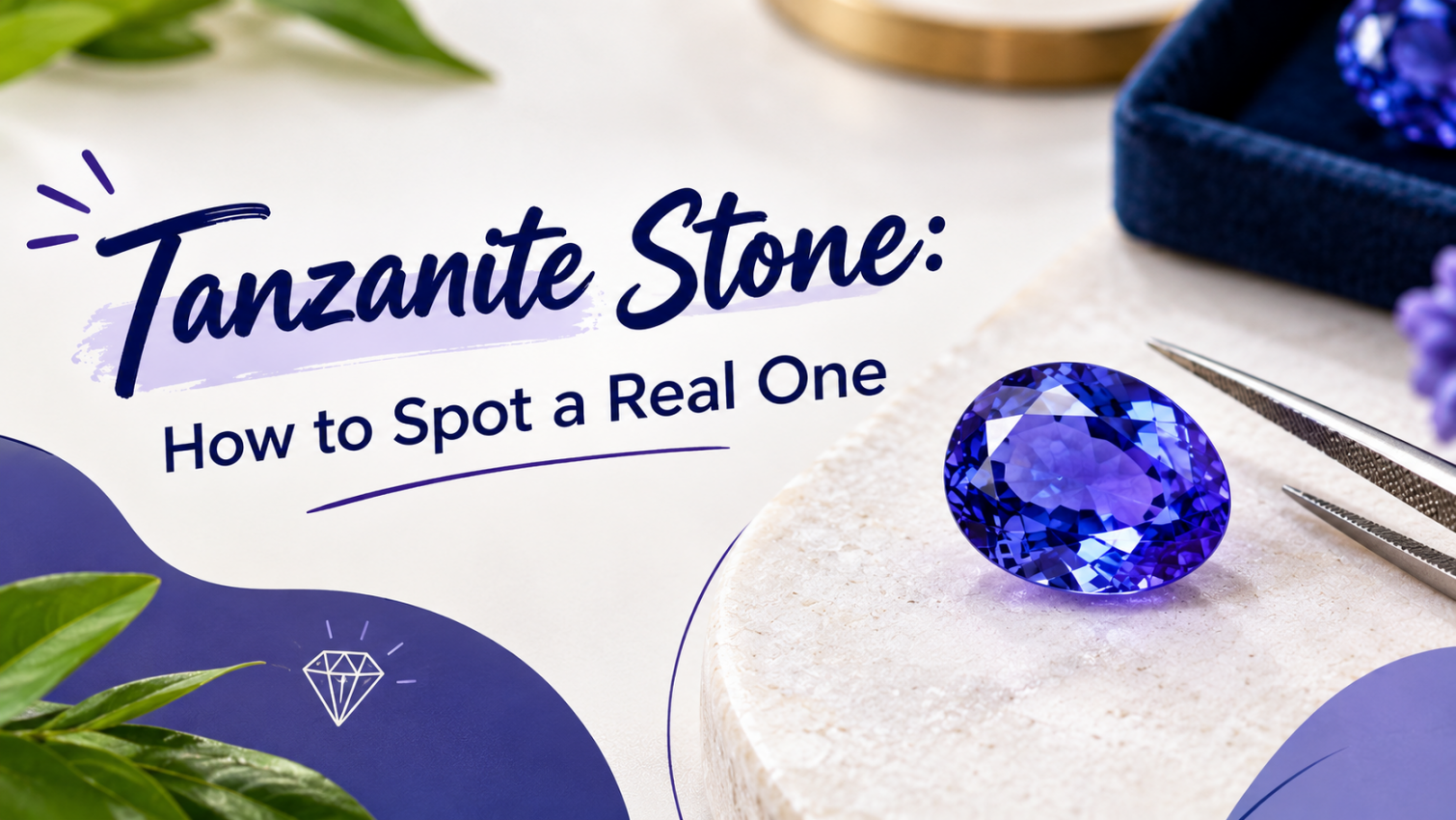
Tanzanite is valued for its blue-violet hue. Whether you are looking for an effortless everyday piece or a modern-day engagement ring that draws attention immediately, the tanzanite stone is a desirable pick.
Apart from the vibrant color, what makes this stone distinct from other gemstones is its rare availability. Tanzanite is found only at the mining site near the Mererani Hills, close to Mount Kilimanjaro in northern Tanzania. Its extreme rarity increases the need for authentication to avoid imitations, misidentification, undisclosed treatments, and inconsistent quality or pricing.
Here is where understanding of the tanzanite gemstone is important. This blog breaks down the pricing factors, cultural meaning, and authenticity checks so you can confidently invest in a true geological treasure.
What is Tanzanite Stone?
It is a prized gemstone belonging to the zoisite family. Given its single geographic origin, natural tanzanite is vastly rarer than white diamonds. It originates from just one place on the planet: a small 4-kilometer mining zone in Tanzania's Merelani Hills.
This extreme single-origin limit, combined with strict export taxes and government mining controls, directly drives up its market value. In India, tanzanite loose gemstone prices vary from thousands to lakhs depending on clarity, carat weight, cut, and color depth—offering fine jewelry collectors a striking, valuable alternative to standard gems.
Read More: How is Tanzanite Stone Redefining Modern Fashion
Tanzanite Stone Meaning and Benefits
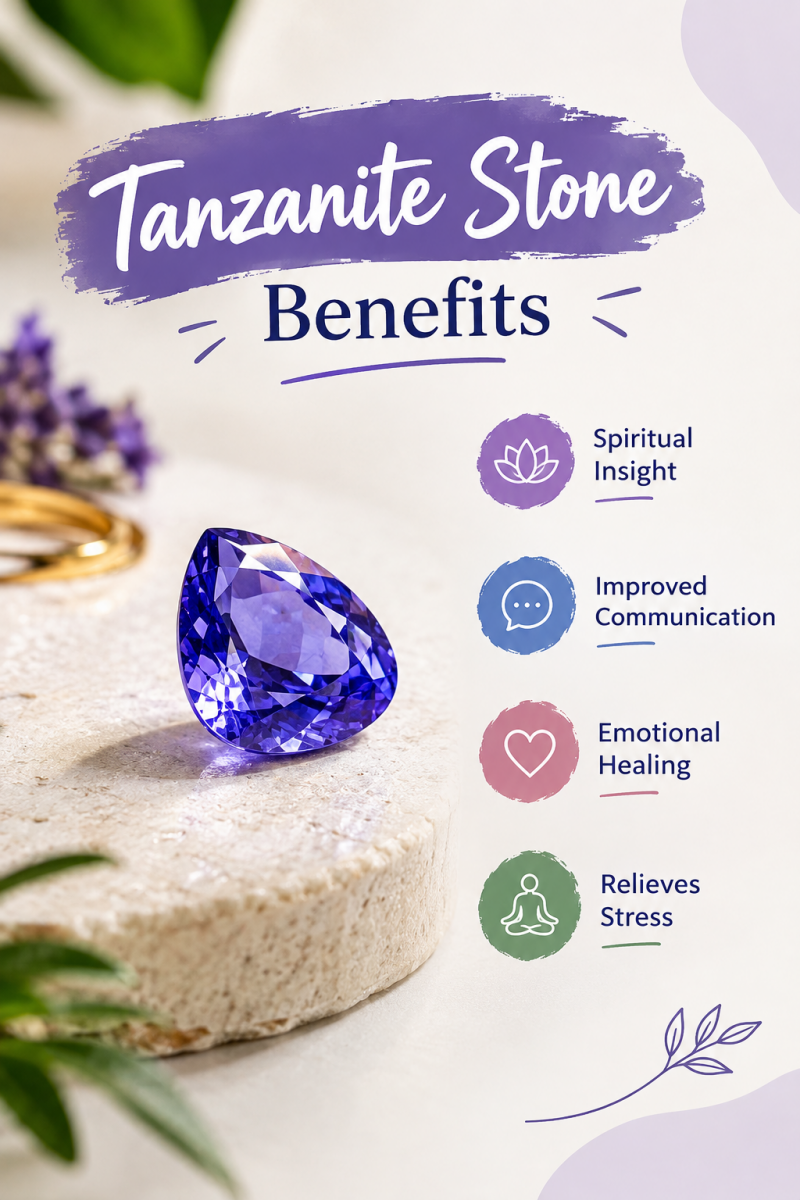
Tanzanite is known as the stone of transformation. Traditionally, it is believed to help individuals bury old thoughts and start afresh with composure and clarity. This stone is widely used to gain astrological, spiritual, and healing benefits. Let's know more about tanzanite stone benefits:
Spiritual Insight & Chakra Alignment: As per spiritual beliefs, the tanzanite gemstone is believed to activate the Throat and Third-Eye Chakras. Activating these chakras imbibes the feeling of self-expression, awakens intuition, and enhances spiritual perception.
Emotional Healing & Stress Relief: The soothing blue violet color of tanzanite is traditionally believed to be a stress reliever. In many cultures, it is believed to remove anger, dissolve negative energy, and replace unnecessary extreme distress with emotional balance.
Learn More: An Overview History of Tanzanite Gemstone
Improved Communication: By stimulating the Throat Chakra, tanzanite is said to maintain empathetic connection with others and exchange ideas freely.
Astrological Connection: In traditional Vedic astrology practices, tanzanite is sometimes used as a substitute for the blue sapphire stone. Because of its blue-violet color, this zoisite stone is linked to the Saturn (Shani) planet.
Modern December Birthstone: In 2002, the American Gem Trade Association (AGTA) officially designated tanzanite as a modern birthstone for December along with turquoise stone and zircon. It makes a wonderful gift for individuals born in this month, representing wisdom and truth.
Read More: Amazing Tanzanite Stone Benefits & Healing Properties
Tanzanite Price
Tanzanite price varies with its quality. The following factors determine it:
- Color: Tanzanite value is determined mainly by the color—the more vivid the hue, the higher the gemstone’s value. Gemmologists evaluate tanzanite color by three determinants: hue, saturation, and tone.
- Hue: The main color of the stone is hue. In tanzanites, the primary color is blue with a small tint of violet.
- Tone: Medium tone is a preferred characteristic that provides beauty to the stone. The color doesn't look washed out. Other than this, there are no dark patches or light blockage. This allows the light to reflect uninterrupted, making the stone look bright.
- Saturation: Color alone does not determine whether a tanzanite qualifies as a top-grade gemstone; saturation also matters. Only a small proportion of tanzanites mined every year meets exceptional quality standards. As the stone loses color intensity, the price drops.
- Clarity: As a GIA Type I gemstone, high-quality tanzanite is generally expected to be eye-clean. The clarity varies from specimen to specimen. However, inclusions such as needles, fingerprints, or feathers can be seen in a few stones, impacting color and appearance. As the clarity grade shifts from prominent inclusions to a flawless appearance, the tanzanite price can rise significantly.
- Cut: Cut plays an important role in determining the price. Precisely, the better the cut, the higher the value. A bad cut ruins the overall look of the stone. Gem cutters must carefully balance proportions, color depth, brilliance, and overall carat weight when shaping tanzanite.
- Carat Weight: As gemstone weight in carats increases, the price of tanzanite also increases. Factors such as color, cut, clarity, treatment, and origin should also be considered while you make a purchasing decision based on carat weight.
Factors That Determine Tanzanite Value
Factors | Impact on Value | Key Considerations |
Color & Saturation | Highest | Vivid, deep violetish-blue commands top prices |
Carat Weight | Exponential | Per-carat prices jump sharply for stones over 5 carats due to scarcity |
Clarity | High | Should be eye-clean. Visible inclusions reduce market value. |
Cut | Moderate to High | Proper proportions maximize brilliance, deep cuts reduce value |
Lab Certification | Essential | Independent lab reports (e.g., GIA) give authentic proof of natural origin and distinguish tanzanite from simulants. |
6 Ways to Spot a Real Tanzanite
Tanzanite is one of the trending stones that catches your attention with its exclusive color. Its single-source scarcity and strong speculations of mines getting depleted within 10 to 12 years make this stone more valuable.
Larger size tanzanites above 5 carats with high saturation and eye-clean clarity are collectors’ choice because of their extreme rarity. These gems are highly rare and command a premium price. If you are someone seeking unique heirlooms for future generations, then tanzanite is a good choice.
The following points will help you identify a genuine, natural tanzanite and make an informed purchase.
- Don't judge by color only.
Real tanzanite is strongly pleochroic, meaning it splits light into different vibration planes to display captivating flashes of blue, violet, and deep red. This characteristic is also depicted by synthetic forsterite (tanzanite simulant) and iolite (lookalike). So, pleochroism is not the only factor to classify the stone as a real tanzanite.
- Flawless Clarity Only Under Magnification
High-grade tanzanite is eye-clean and commands a premium price. However, when seen with a 10X jeweler’s loupe, some specimens may show a few inclusions. Completely flawless gems offered at low prices should get checked to avoid any misidentifications.
- Absence of Bubbles
Look closely inside the gem using magnification. Round air bubbles may indicate a sign of glass or another manufactured material.
- Birefringence (No Double Imaging)
GIA classifies tanzanite as a gemstone of low birefringence. It means light splits into two separate paths. Simulants such as synthetic forsterite, cubic zirconia, and glass have stronger birefringence.
- To Spot Natural Tanzanite at Home
If you notice exceptional CZ (cubic zirconia)-like brilliance or the price seems unreal, it may be a sign that the stone is not genuine tanzanite.
- Lab Certification
The only reliable way to spot a natural tanzanite gemstone is through a laboratory certificate issued by GIA or AGL confirming its natural origin or any other external treatment involved.
Tanzanite Cleaning and Care Tips: Do’s and Don’ts
Do’s
- Clean with Warm, Soapy Water
- Pat dry with a lint-free cloth
- Store tanzanite jewelry separately in a different pouch from others
- Apply lotions and perfumes first; put jewelry on last
- Inspect Settings properly
Don’ts
- Avoid the use of harsh chemicals.
- Avoid Wearing Tanzanite During Heavy Activities
- Tanzanite's color remains stable under normal light exposure, but long exposure to intense sunlight can increase the risk of color fading.
To conclude, tanzanite stone is a stunning gemstone valued for its unique color and rarity. It holds strong meaning in astrology, spiritual, and healing practices. Whether you are looking for modern-day jewelry or a stone believed to offer spiritual and astrological benefits, natural tanzanite is a good choice. [View Certified Gemstones]
FAQ
Q1: Which color of Tanzanite is most valuable?
Ans: Blue violet is the most valuable color of tanzanite. Its high saturation and medium tone command a high price.
Q2: Which zodiac signs should wear Tanzanite?
Ans: As per Vedic astrology traditions, this stone is ruled by Saturn, and thus Capricorn and Aquarius zodiac signs can wear this stone.
Q3: Is Tanzanite a good investment stone?
Ans: Yes, tanzanite is a good investment. It is valued for its unique color and rarity. Found in only one region in the world, high-carat stones above 5 carats are difficult to find. Top-grade certified Tanzanites are prized collector's items.


- Blue Sapphire (Neelam)
- Yellow Sapphire (Pukhraj)
- Emerald (Panna)
- Ruby (Manik)
- Diamond (Heera)
- Pearl (Moti)
- Cat's Eye (Lehsunia)
- Hessonite (Gomed)
- Coral (Moonga)
- Amethyst
- Opal
- Alexandrite
- festive
- Sapphires
- Ammolite
- Larimar Stone
- Turquoise Stone (Firoza)
- Tourmalines
- Moonstones
- Lapis Lazuli
- Zodiac Birthstone
- Citrine
- Tanzanite
- Gemstone
- Trending
- Color Gemstone


-
Tanzanite Stone: Meaning, Benefits, Price & How to Spot a Real One
October 2nd, 2026 -
 September 30th, 2026
 -
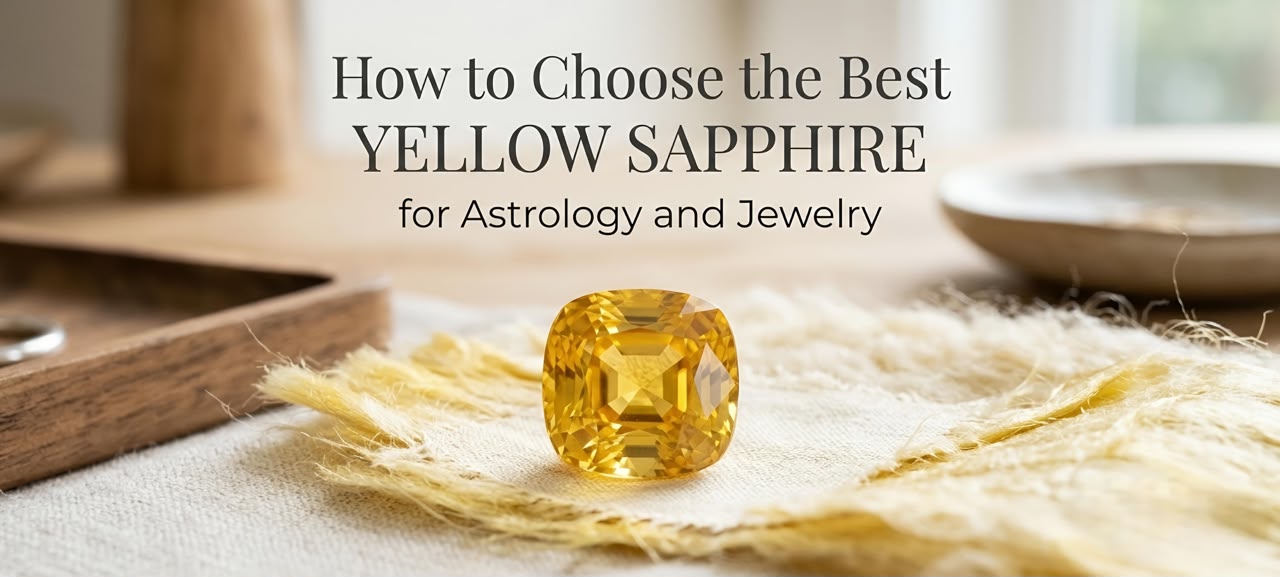
How to Choose the Best Yellow Sapphire for Astrology and Jewelry
September 28th, 2026 -
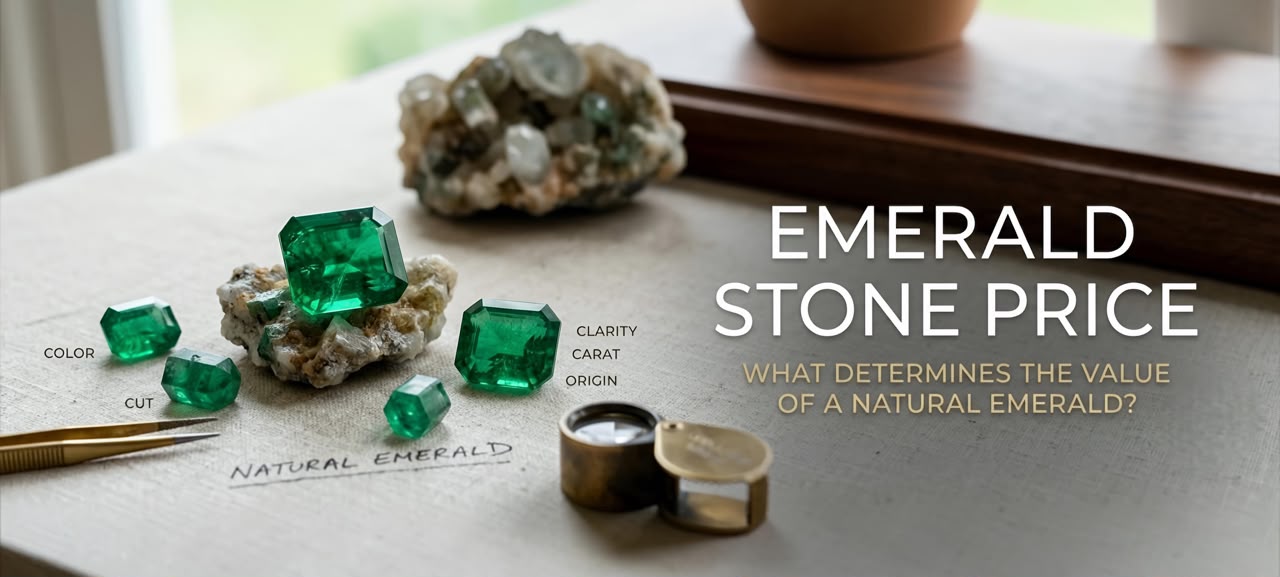
Emerald Stone Price: What Determines the Value of a Natural Emerald?
September 25th, 2026 -
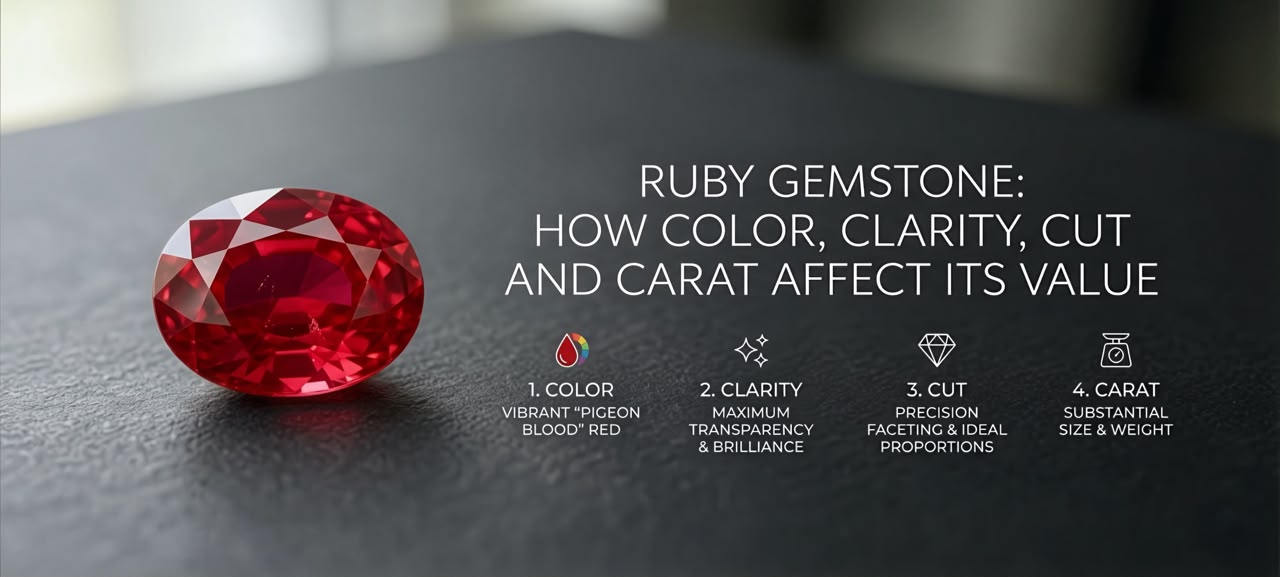
Ruby Gemstone: How Color, Clarity, Cut and Carat Affect Its Value
September 22nd, 2026