Blog
 Categories
 - Blue Sapphire (Neelam)
- Yellow Sapphire (Pukhraj)
- Emerald (Panna)
- Ruby (Manik)
- Diamond (Heera)
- Pearl (Moti)
- Cat's Eye (Lehsunia)
- Hessonite (Gomed)
- Coral (Moonga)
- Amethyst
- Opal
- Alexandrite
- festive
- Sapphires
- Ammolite
- Larimar Stone
- Turquoise Stone (Firoza)
- Tourmalines
- Moonstones
- Lapis Lazuli
- Zodiac Birthstone
- Citrine
- Tanzanite
- Gemstone
- Trending
- Color Gemstone
Ruby vs Diamond: Points to Compare
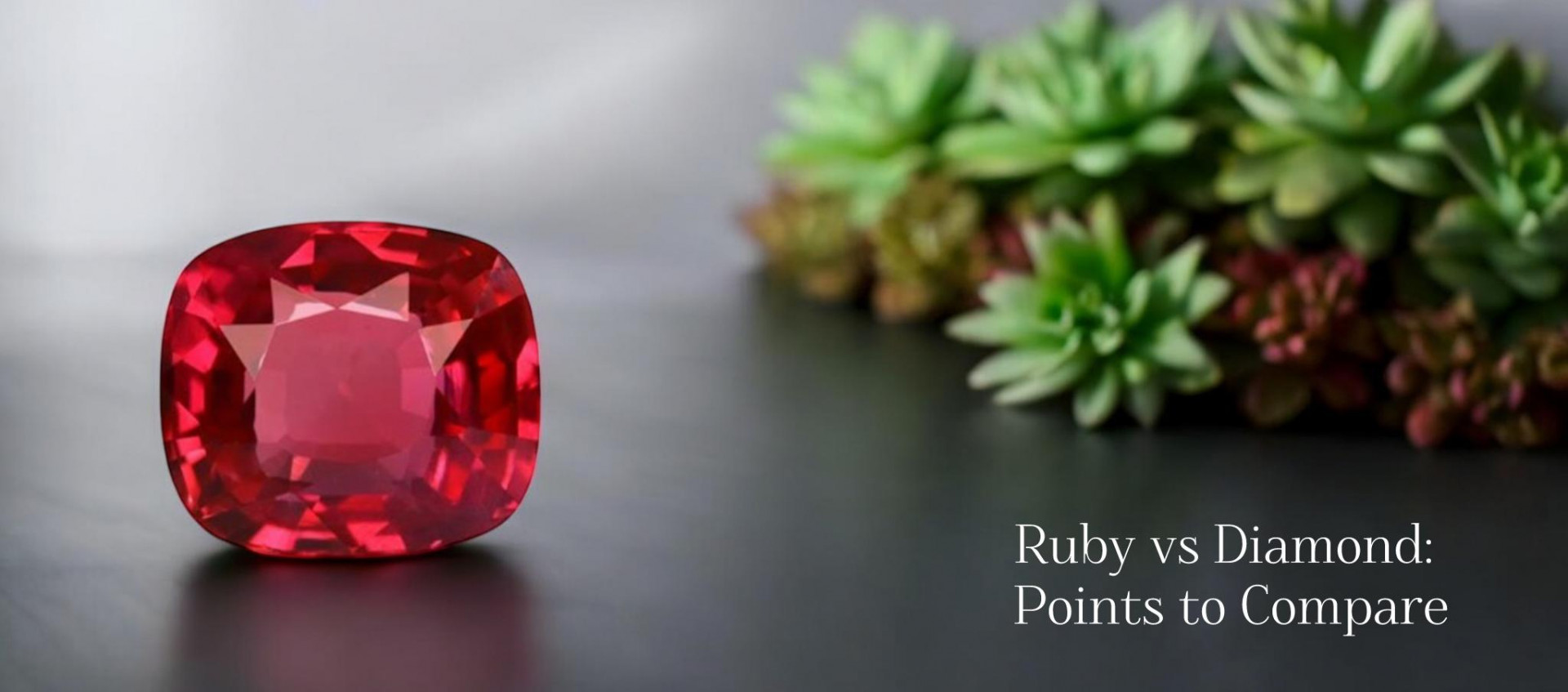
Ruby and diamond are two different gemstones that have long been admired for their beauty and significance. Where one is considered as the “stone of love and passion,” the other has been traditionally viewed as a symbol of eternity. Whether you are looking
to invest in any of them or want to know the price difference between the two, here is a complete guide for you.
Chemical Composition
Is Ruby a diamond? No, they are not the same in any respect. To start with, the ruby and diamond difference lies in their chemical composition. Diamond is pure carbon, whereas rubies are made of two aluminum atoms and three oxygen atoms.
Diamonds belong to the native element group and are the hardest mineral ever known.
Ruby stone
, or Manik, belongs to the corundum mineral family. Both gemstones differ in their associated rock types as well. While diamond gemstone is found in igneous ultramafic rock, rubies are a byproduct of metamorphic, igneous, and marble rocks.


Which is Costly Ruby or Diamond
Well! It's challenging to evaluate the cost of the two because some rubies are highly rarer, whereas there are even rarer diamond types. The price of ruby vs diamond depends upon the 4C’s.
Manik stone
cost ranges from INR 2,000 to INR 50,000 and more based on carat weight. High quality diamond price in India ranges between 30,000 to 300,000 per carat based on its size.
- Color: The most important differentiating factor of diamond vs ruby is that while the former can be found in different colors like blue, yellow, red, and pink, the latter is exclusively found in red. Trace elements are responsible for giving color to the stone.
Also Read: Everything You Should Know Before Buying The Ruby Stone

For instance, chromium gives ruby the color, whereas nitrogen, boron, and other elements provide diamond colors like yellow and blue. Red diamonds are often compared with rubies. This is because of the similarity of the shades. But when it comes to value, red diamonds are highly priced because of their rarity. High-quality pigeon blood red rubies are rare, and they can be costlier than white diamonds.
Read More Here: How To Differentiate Between Low-Quality, Medium And High-Quality Ruby?
- Clarity: Diamond clarity grade starts from I1, S1, VS1, VVS1, IF, and FL. The most desirable of these are the ones that are flawless (FL). Of course, these gems are known for their brilliance and shine. When comparing diamond vs ruby clarity, the latter is graded as C, B, AA, AAA, AAAA. Read Here: Understanding The 4 C's of Ruby Gemstone

- Cut: While cutting rubies, color is highly taken care of, whereas for diamonds, the clarity factor matters the most. Diamonds can only be cut by diamond-tipped tools.

- Carat Weight: Any gemstone with a high carat weight is expensive. 1-carat ruby price with good color, clarity, and cut is high compared to the same carat weight, including white diamonds. Ruby vs diamond size relates to the former appearing to be smaller compared to the latter (even when they are of the same carat weight) because of high density.

- Origin and Availability: Colored diamonds are highly rare compared to ruby stones. White diamonds, however, are available, and they can be less expensive than high-quality Burma rubies featuring pigeon blood red color.
- Treatment: Natural rubies are more expensive than white diamonds if they are untreated and possess vivid red color, clarity, cut, and carat weight.
Also Read: Different Types Of Rubies & Their Treatments
Which is Harder: Ruby or Diamond
Diamonds are harder than rubies, which is one of the main reasons they are chosen as gemstones that last forever. Their resistance to scratches makes them ideal for daily wear. Ruby stones have a hardness of 9, slightly less than diamonds, but still suitable
for everyday jewelry.
Lab Ruby vs Lab Diamond
Lab-created rubies and lab diamonds are popular choices for those who want beauty without the high cost of natural gems. Lab diamonds are made from carbon and have the same hardness and sparkle as real diamonds. They’re incredibly durable, ranking 10 on the Mohs scale.
The formation of lab-created rubies undergoes the same process as natural ones. While lab-grown diamonds shine with brilliance, rubies stand out with their rich red color. When compared to price, lab-grown diamonds are highly expensive due to their market demand.
Read More Here: Comparing Natural Ruby and Lab Created Ruby
Rubies vs. Diamond Engagement Rings
Diamond engagement rings are forever. They will never go out of style. But with trends changing and affordable yet meaningful options available in the market, many couples are now exploring alternative gemstones.
One such popular gemstone that is used as a diamond engagement ring alternative is ruby stone. These red gemstones are loved for their pop of color that adds beauty to every outfit. Plus, the ruby engagement ring signifies love and commitment, just like a diamond ring.

Rubies vs Diamonds Astrological Significance
Ruby, also called Manik in Hindi, is associated with the planet Sun or Surya. It is considered one of the most powerful gemstones in Vedic astrology. Worn by zodiac signs such as Leo, Aries, and Sagittarius, Manik Ratna provides the wearer with strong leadership qualities and confidence.
Read Here: Top 10 Astrological Benefits Of Wearing Ruby Gemstone
Diamond or Heera is associated with Venus planet in astrology. It is considered the best gemstone for males with respect to marriage prospects.
To conclude, natural ruby is rarer than diamonds, especially those sourced from Burma Mogok Valley. The price of these gemstones depends upon the quality, 4C’s, and their origin. If you are someone looking for natural gems that reflect beauty and
astrological significance, visit Navratan today!


- Blue Sapphire (Neelam)
- Yellow Sapphire (Pukhraj)
- Emerald (Panna)
- Ruby (Manik)
- Diamond (Heera)
- Pearl (Moti)
- Cat's Eye (Lehsunia)
- Hessonite (Gomed)
- Coral (Moonga)
- Amethyst
- Opal
- Alexandrite
- festive
- Sapphires
- Ammolite
- Larimar Stone
- Turquoise Stone (Firoza)
- Tourmalines
- Moonstones
- Lapis Lazuli
- Zodiac Birthstone
- Citrine
- Tanzanite
- Gemstone
- Trending
- Color Gemstone


-
 May 7th, 2026
 -
 March 10th, 2026
 -
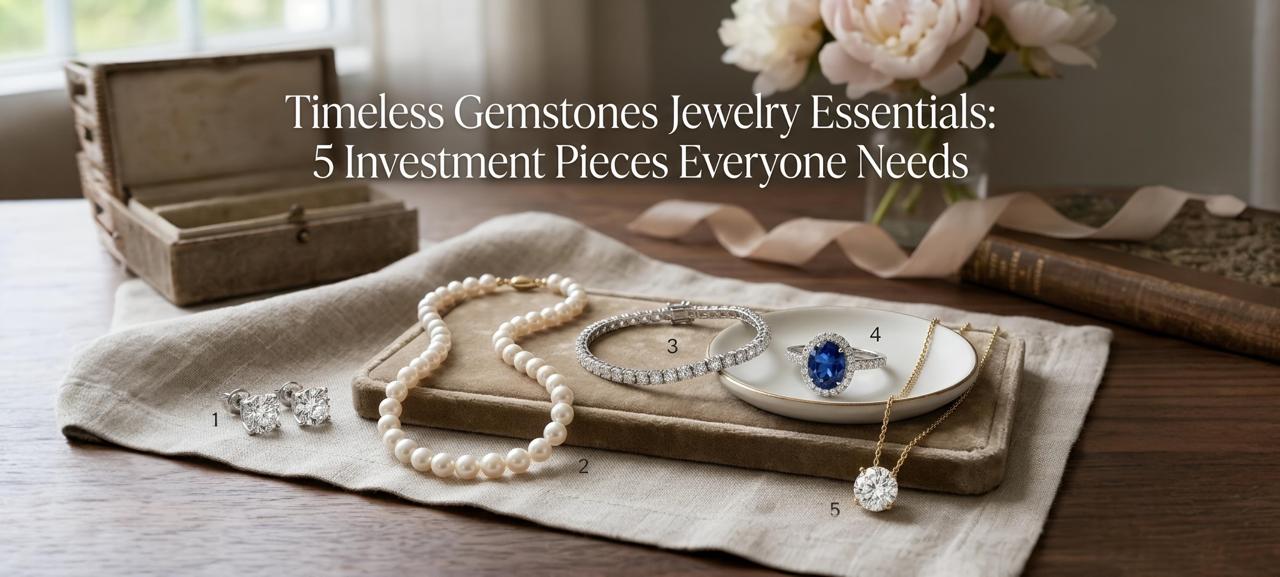
Timeless Jewelry Essentials: 5 Investment Pieces Everyone Needs
March 7th, 2026 -
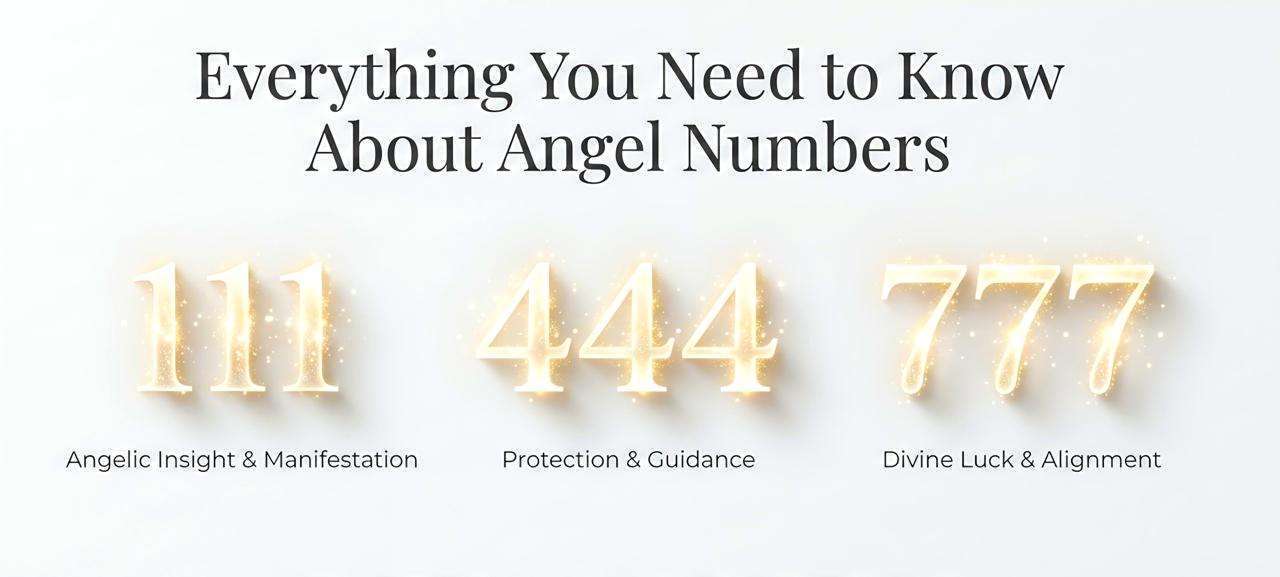 March 5th, 2026
 -