
Blog
 Categories
 - Blue Sapphire (Neelam)
- Yellow Sapphire (Pukhraj)
- Emerald (Panna)
- Ruby (Manik)
- Diamond (Heera)
- Pearl (Moti)
- Cat's Eye (Lehsunia)
- Hessonite (Gomed)
- Coral (Moonga)
- Amethyst
- Opal
- Alexandrite
- festive
- Sapphires
- Ammolite
- Larimar Stone
- Turquoise Stone (Firoza)
- Tourmalines
- Moonstones
- Lapis Lazuli
- Zodiac Birthstone
- Citrine
- Tanzanite
- Gemstone
- Trending
- Color Gemstone
Emerald Enhancement Explained: Is It Safe to Buy Treated Emeralds
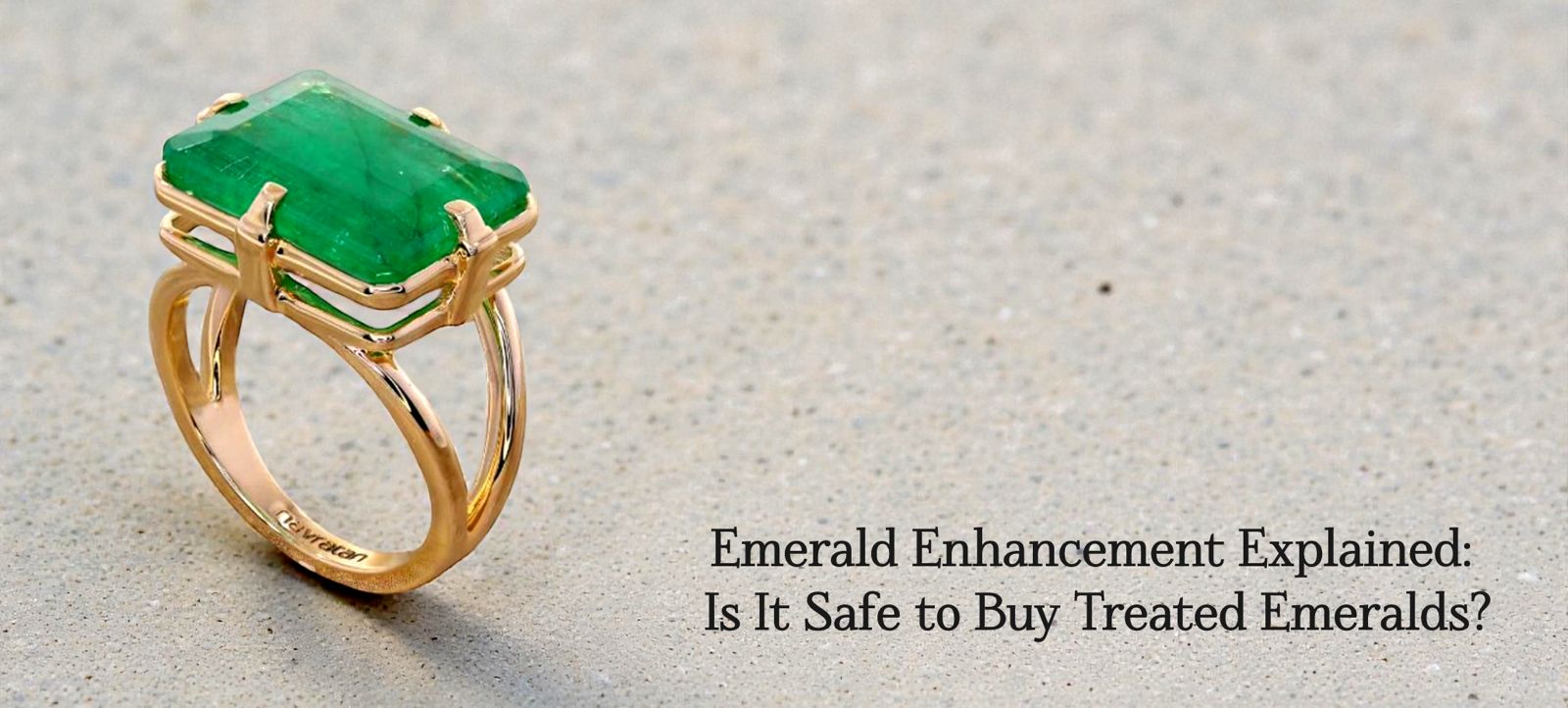
Do you know 99% of emeralds are treated or enhanced? Yes, emerald enhancement is done for clarity and color brightness. You will find them all over the market. They look similar to the real gemstones. However, in reality, once they undergo any enhancement, their value decreases.
Natural emerald stone do not undergo treatment. They are extremely rare and highly demanded by gemstone enthusiasts and investors. This is the reason why they are expensive.
Read More: Are Emeralds A Good Investment Compared To Other Gems?
Knowing the difference between the two is important to ensure safe buying. In this guide, we will discuss what emerald enhancement is, why it is done, how it affects value, and whether you should consider buying an enhanced emerald.
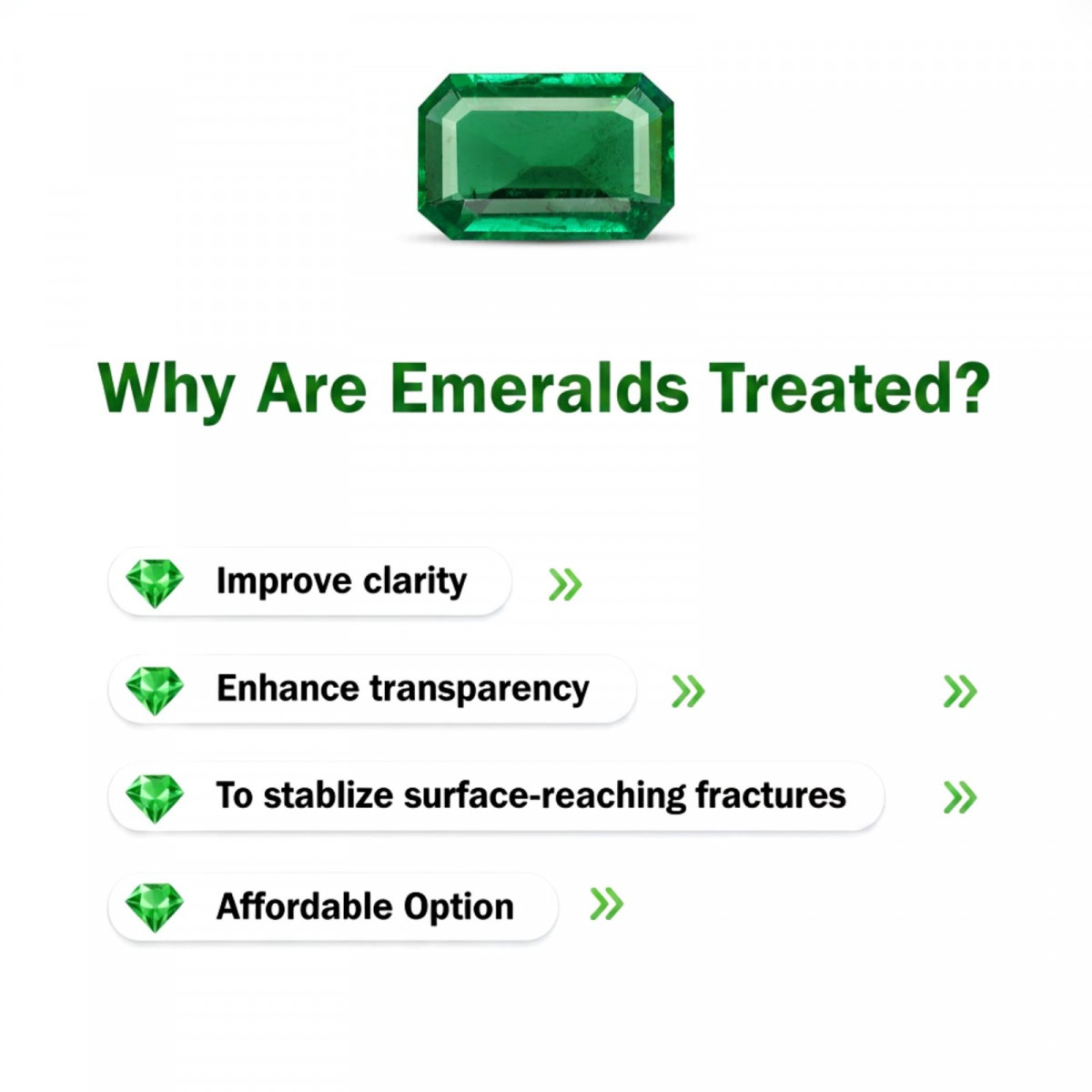
Why Are Emeralds Treated?
Natural emeralds ( panna stone ) have inclusions from the time they are dug from the earth's surface. These inclusions range from high to low or none. Eye-clean gemstones make up 1% of the market. Most of the stones are included. Inclusions can sometimes make the stone look cloudy. This decreases both the appearance and value of the stone. The emerald enhancement or treatment role comes here. In the gemstone marketplace, enhancement and treatment mean the same thing.
Read More: A Closer Look at Emerald Inclusions
Treatments are done mainly for three reasons:
- To improve clarity
- To make the color look better
- To reduce the visibility of cracks
Without enhancement, many emeralds (especially the ones with inclusions) would not look attractive enough for jewelry. So treatment helps make them wearable and affordable.
Read More: Are Light or Dark Emeralds Better? Here’s the Surprising Winner
Types of Emerald Enhancement
As stated before, nearly all emeralds are treated; there is a major difference between the treated and untreated specimens. While comparing treated vs untreated emerald stone, the latter does not undergo any human intervention to change its color or clarity. So, natural panna stone is straight from the earth in its original composition. According to GIA, treatment or enhancement is used to alter the stone's original state in terms of color, clarity, and stability. The major emerald treatments suggested by GIA are as follows:
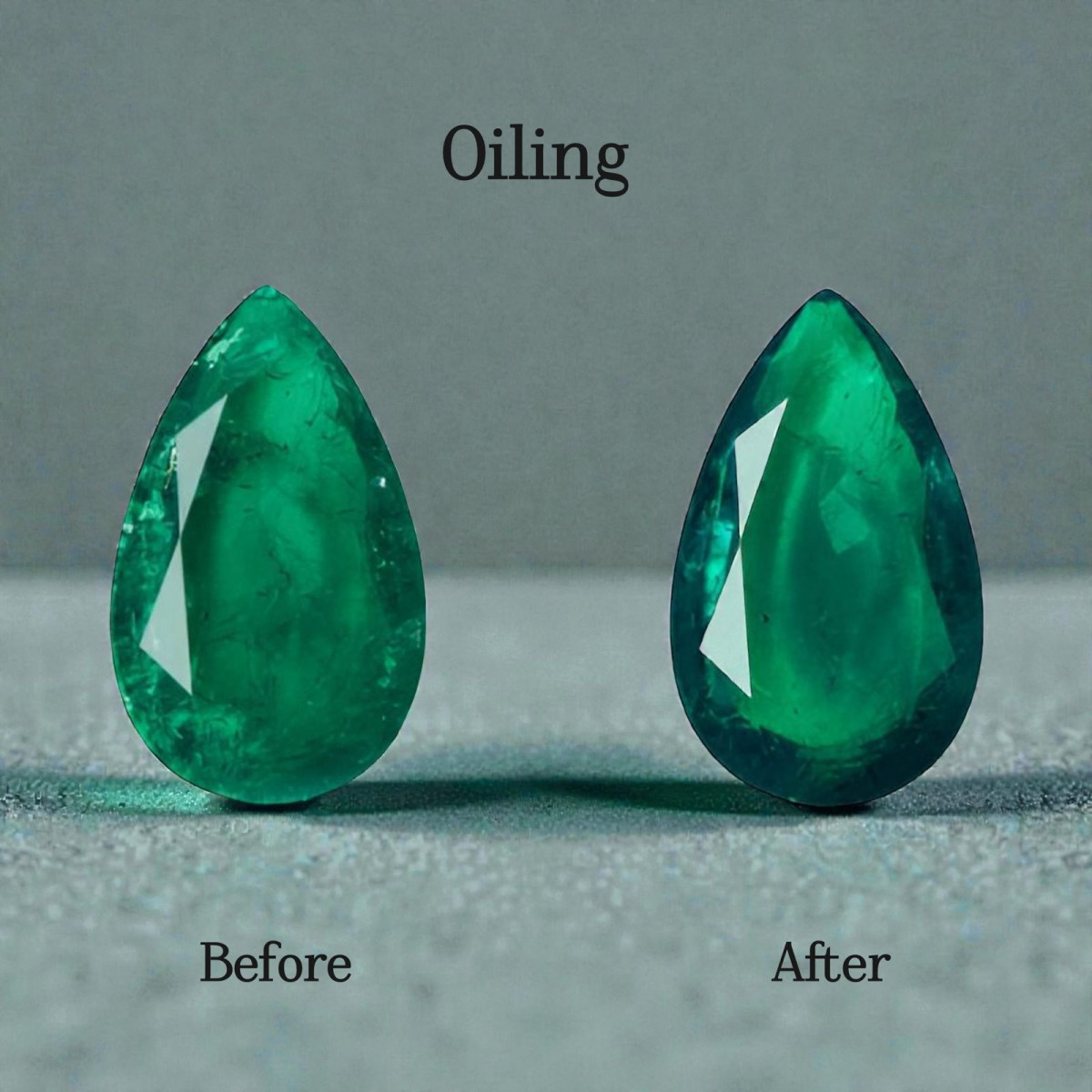
- Oiling: Among the most common treatments or enhancements for emeralds is oiling. This process involves filling small fractures in emerald stones with oil, such as cedar oil. Cedarwood oil for emeralds is used for enhancement, as it has a refractive index similar to that of the gemstone. Thus, light passes through the stone with the same intensity, enhancing its clarity. The oiling treatment is not permanent, and the oil dries over time, sometimes leading to stone breakage.
- Use of Resin: Enhancement by oiling has the disadvantage that it dries up quickly over time. This problem can be fixed with re-oiling, and fracture filling with resins is a better alternative. Natural or synthetic resins are used for emerald enhancement. Some emeralds are filled with synthetic resin instead of oil. Resin is more durable and long-lasting compared to oil. GIA says clarity enhancement in emerald is common in the gemstone trade. Cedarwood oil is widely used and well accepted.
Sometimes resin is also used instead of oil. Resin can last longer, but it may affect the value more than light oiling. These treatments do not mean the emerald is artificial. It is still a natural stone. The important thing is that the seller clearly tells what kind of treatment has been done.
- However, many buyers prefer oil-treated emerald rather than resin-filled. Resin filling can lower the value more than oil treatment. It depends on how heavy the treatment is.
- Gluing emeralds: Unlike other treatments or enhancements, this process involves initially applying glue to the rough stone, then giving it the desired cut.
- Dye Treatment: Dyeing is not considered acceptable in fine gemstones. It artificially changes the color and can fade with time. If an emerald is dyed, it must be disclosed clearly. Usually, dyed stones are cheaper. Always check certification to avoid such issues.
Read More: How Can I Test If My Emerald Is Authentic At Home?
F1–F3 Clarity Enhancement Grading Scale for Emeralds
Grade | Clarity Enhancement Emerald Level | Description | Impact on Value |
| F2 | Minor | Small amount of oil or resin present in surface-reaching fractures. Treatment is minimal and not easily visible. | Least impact on value |
Emerald Clarity Enhancement F2 | Moderate | Noticeable amount of filler in fractures/cracks. Enhancement is visible under magnification and sometimes to the naked eye. | Moderate impact on value |
| F3 | Significant | Large amount of filler used. Fractures are heavily filled and may affect durability. | Higher impact on value |
This depends on the level of treatment. If emerald has minor oil treatment, it is normal and accepted. Heavy resin filling can reduce value. Panna with no treatment (not even oiling) comes with a high price tag. However, finding such natural stones is difficult; thus, they are rare.
The prices of the stones are decided based on the quantification chart/ clarity enhancement chart. Emerald stone price range from INR 5,000 to INR 5 lakhs and beyond. Completely untreated emeralds with good clarity can cost much more.
Certification from a trusted lab helps clarify what treatment is performed.
Read More: Emerald Stone Price in India
How To Know If Emerald Is Treated?
You cannot always see treatment with the naked eye. So these steps can help:
- Ask for a lab certificate
- Check the report for oil or resin mention
- Compare the price with the market
- Buy from a trusted seller
Learn More: How To Tell If An Emerald Is Real
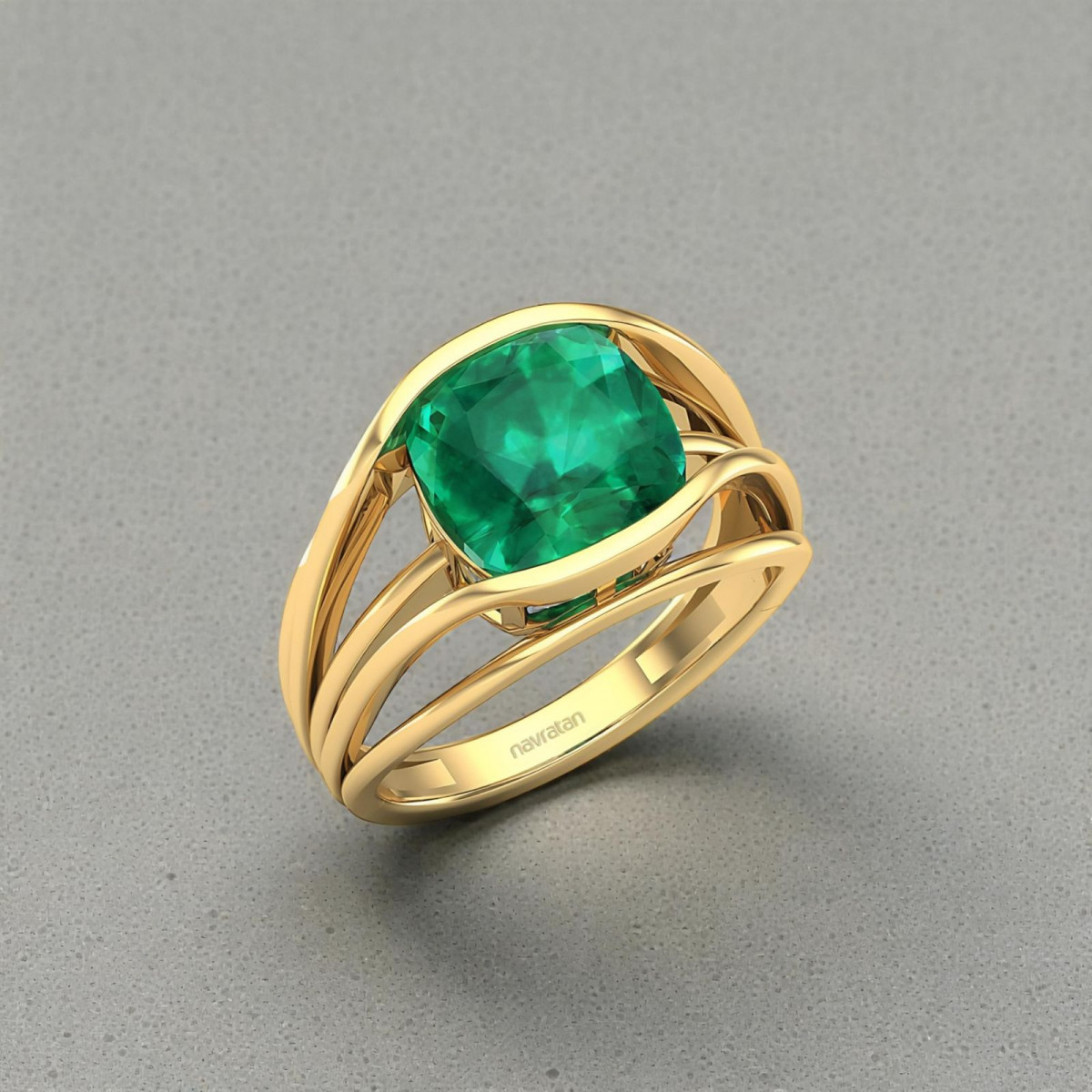
Is It Safe To Buy Enhanced Emerald?
Yes, it is safe if treatment is disclosed properly. The GIA emerald report discloses whether the emerald is natural or lab-created. It also confirms the type of treatment it has undergone, in addition to its weight, color, cut, and clarity. Those looking for affordable panna stones and those who have undergone the enhancement process are perfect picks.
Also, consider the type of enhancement given to the stones and compare the price accordingly. Remember, significant clarity enhancement in emerald meaning refers to the presence of high levels of filler, such as oil or resin. It lowers the price of the stone compared to lightly treated stones. If you are looking to buy a certified gemstone online, trust only reputed sellers like Navratan. They deal in authentic gemstones and provide you with proper certificates.


- Blue Sapphire (Neelam)
- Yellow Sapphire (Pukhraj)
- Emerald (Panna)
- Ruby (Manik)
- Diamond (Heera)
- Pearl (Moti)
- Cat's Eye (Lehsunia)
- Hessonite (Gomed)
- Coral (Moonga)
- Amethyst
- Opal
- Alexandrite
- festive
- Sapphires
- Ammolite
- Larimar Stone
- Turquoise Stone (Firoza)
- Tourmalines
- Moonstones
- Lapis Lazuli
- Zodiac Birthstone
- Citrine
- Tanzanite
- Gemstone
- Trending
- Color Gemstone


-

What Makes Blue Sapphire One of the Most Valuable Gemstones?
September 17th, 2026 -
 August 7th, 2026
 -
 July 30th, 2026
 -
 July 22nd, 2026
 -
 July 18th, 2026