
Blog
 Categories
 - Blue Sapphire (Neelam)
- Yellow Sapphire (Pukhraj)
- Emerald (Panna)
- Ruby (Manik)
- Diamond (Heera)
- Pearl (Moti)
- Cat's Eye (Lehsunia)
- Hessonite (Gomed)
- Coral (Moonga)
- Amethyst
- Opal
- Alexandrite
- festive
- Sapphires
- Ammolite
- Larimar Stone
- Turquoise Stone (Firoza)
- Tourmalines
- Moonstones
- Lapis Lazuli
- Zodiac Birthstone
- Citrine
- Tanzanite
- Gemstone
- Trending
- Color Gemstone
Understanding The 4 C's of Ruby Gemstone
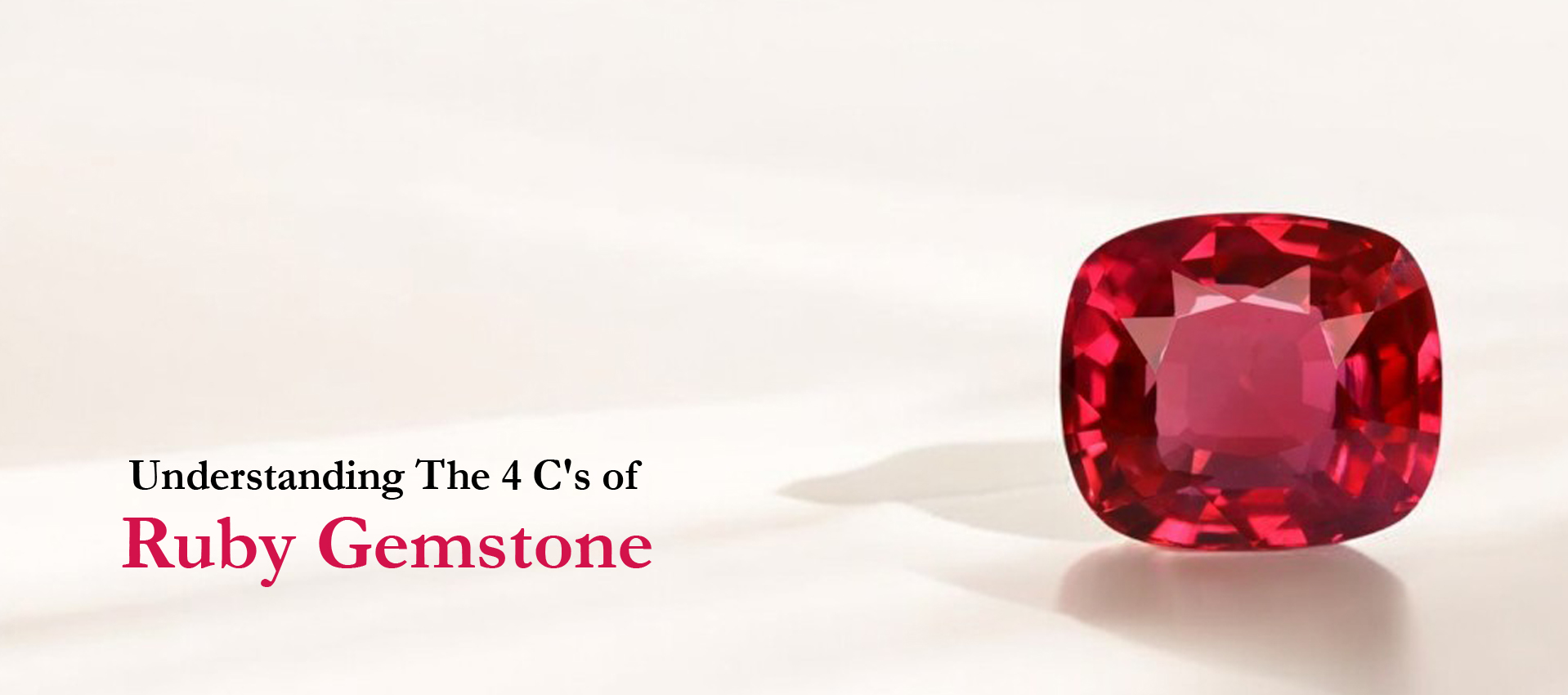
Buying a ruby is an emotional and financial investment. This gemstone is used for astrology, healing, and jewelry embellishments. Owing to its popularity and significance, the marketplace is filled with ruby gemstone, and the prices vary widely. The reason behind price variation is quality. Many buyers buy rubies based solely on color. But it's not only the color that defines its price.
Even a vivid red ruby stone might not give you good future value. You might pay more for a gemstone that is not worth it. This is where understanding the 4 C’s of Ruby Gemstone becomes essential. In this blog, we will capture factors that work together to determine the value of this precious gemstone.
What is Ruby Gemstone?
Ruby (Manik) is a valuable stone from the corundum mineral family. It occurs in red. The color ranges from reddish pink to deep red. Red colored ruby stone is the most popular. This color has its own personality and is widely used in jewelry and astrology. It is believed that wearing a manik gemstone brings confidence and vitality. Burma rubies are highly valuable, rare gemstones that rival diamonds in value. They are ideal investments for those seeking stable options. Comparing gold and gemstones as future investments, learn more in our blog: Are Gemstones Better Than Gold As an Investment?
How do the 4 C’s Affect Ruby Price?
Like the 4 C's criteria, the ruby price is also affected by the same. The 4 Cs of gemstones are color, cut, carat weight, and clarity. All these factors are important, and the stone's price is calculated accordingly.


Color
When buying a ruby, color is considered the most important of the 4Cs. The primary color in all rubies remains the same: red. But the commonly found ruby gemstone colors are orangish red, pinkish red, purplish red, and deep, vivid red.
Common Mistakes Buyers Make: Don't fall for high carat weight only. Prioritize the ruby gemstone colors.
-“Pigeon blood red” is the most valuable ruby stone color. These are the characteristic features of Burma ruby.
- A smaller ruby stone with pigeon blood red hue is highly valuable compared to high carat weight with pale color.
-The primary color in all rubies remains the same: red.
-The secondary color may vary, with some showing overtones of pink, blue, and even black.
-Ruby gemstones with black overtones should be avoided as they are of low quality.
-The best Manik color is vivid red with a purplish tint. As per the 4Cs gemstone rule, secondary overtones should not overshadow the primary red color.
Read Here: What Color Ruby Is Most Valuable?
Like all other colored gemstones, 60 percent of the ruby value is determined by its color, which is further divided into hue, tone, and saturation:
-
Hue: Refers to the primary color, which is always red in the case of rubies
-
Tone: Medium tone is highly acceptable. A vivid red ruby with a medium tone, not too dark or light, is desirable.
-
Saturation: Highly saturated gems enhance the value of the gemstone.
Shades of ruby range from pink to magenta. Reddish pink ruby stone is often confused with pink sapphire, and the latter are sold at comparatively higher prices in the name of the ruby.

Clarity
Besides color being the most important C in the 4C’s, the clarity of the gemstone is not to be underestimated. The internal structure of a ruby crystal showcases inclusions.
These can be rutile, twinning, feathers, cavities, and more. High inclusions reduce the stone's transparency. It doesn't reflect much light, making the gem look dull. The presence of inclusions impacts the value of the stone, but one should not forget that it is a sign that the ruby is real. The cloudiness of the stone affects the gemstone's clarity and value. An eye-clean ruby with no milky patches enhances the Manik stone value.
Common Mistakes Buyers Make: Eye-clean rubies are difficult to find. You might find clear ruby gemstones on the market, but they could be synthetic, lab-created, or just red glass. Natural rubies have internal inclusions, which help identify the stone's authenticity.
Read More: Comparing Natural Ruby and Lab Created Ruby

Cut
Cut are facets that give brilliance to the gem if it is crafted perfectly. The shape is what a gemstone looks like from the surface. These two are different technically.
You can read our blog to know more about them: Gemstone Shapes vs Gemstone Cuts.
The more precise the cut is, the higher its value. Types of ruby cuts popular in jewelry include princess, radiant, oval, pear, and heart shape. The round brilliant cut is the best cut for ruby. The fine facets give a splendid look to the stone and also reflect color and clarity. Ruby hardness is high, and thus, cutting it is not easy. Skilled lapidaries can give a gemstone precision.

Carat Weight
The higher the carat weight, or ratti as we call it in Hindi, the higher the price. So, 1 carat Manik price is less compared to 4ct ruby. However, the reverse is also possible. The 4Cs of rubies also highlight that if the other 3Cs like color, clarity, and cut, are not fine, carat weight alone cannot impact the value of the stone. So, when you decide to buy ruby stone make sure you check all four parameters.

4C’s +OT (Origin and Treatment)
Along with the 4C’s of ruby gemstone, other factors such as origin and treatment are also considered. This significantly impacts the price of the stone. A treated Manik Ratna is 40% less priced than the original stone.
Heat treatment is common in these stones. It is done to enhance the color and clarity of the stone. Types of ruby treatment also affect its price. For instance heat treated rubies though less priced than original ones typically cost high compared to diffusion-treated and glass-filled rubies.
Read Here: Ruby Gemstone Origins - Best Sources of Rubies
The best ruby stones are from Burma and Madagascar. Untreated Manik Stone from Burma has good color and clarity, and the cut fetches a good price. They are considered astrologically powerful. Mozambique and Sri Lankan ruby are comparatively affordable.
Also Read : Which Type of Ruby is Best for Astrological Use

| Carat weight | Color Quality | Clarity | Cut Quality | Price Range (per carat) | |
| 0.5 - 1.0 ct | Fine to Good | Eye Clean
|
Excellent to Good | INR 5,000 and above | |
| 1.0 - 2.0 ct | Fine to Good | Eye Clean to Slight Inclusions | Excellent to Good | INR 20,000 and above | |
| 2.0 - 3.0 ct | Very Fine | Very Slight Inclusions to Slight Inclusions | Excellent | INR 30,000 and above | |
| 3.0 - 5.0 ct | Very Fine to Superb |
|
Excellent | INR 50,000 and above | |
| 5.0 ct and above | Superb |
|
Excellent | INR 5 lakhs and above |


- Blue Sapphire (Neelam)
- Yellow Sapphire (Pukhraj)
- Emerald (Panna)
- Ruby (Manik)
- Diamond (Heera)
- Pearl (Moti)
- Cat's Eye (Lehsunia)
- Hessonite (Gomed)
- Coral (Moonga)
- Amethyst
- Opal
- Alexandrite
- festive
- Sapphires
- Ammolite
- Larimar Stone
- Turquoise Stone (Firoza)
- Tourmalines
- Moonstones
- Lapis Lazuli
- Zodiac Birthstone
- Citrine
- Tanzanite
- Gemstone
- Trending
- Color Gemstone


-
Tanzanite Stone: Meaning, Benefits, Price & How to Spot a Real One
October 2nd, 2026 -
 September 30th, 2026
 -
How to Choose the Best Yellow Sapphire for Astrology and Jewelry
September 28th, 2026 -
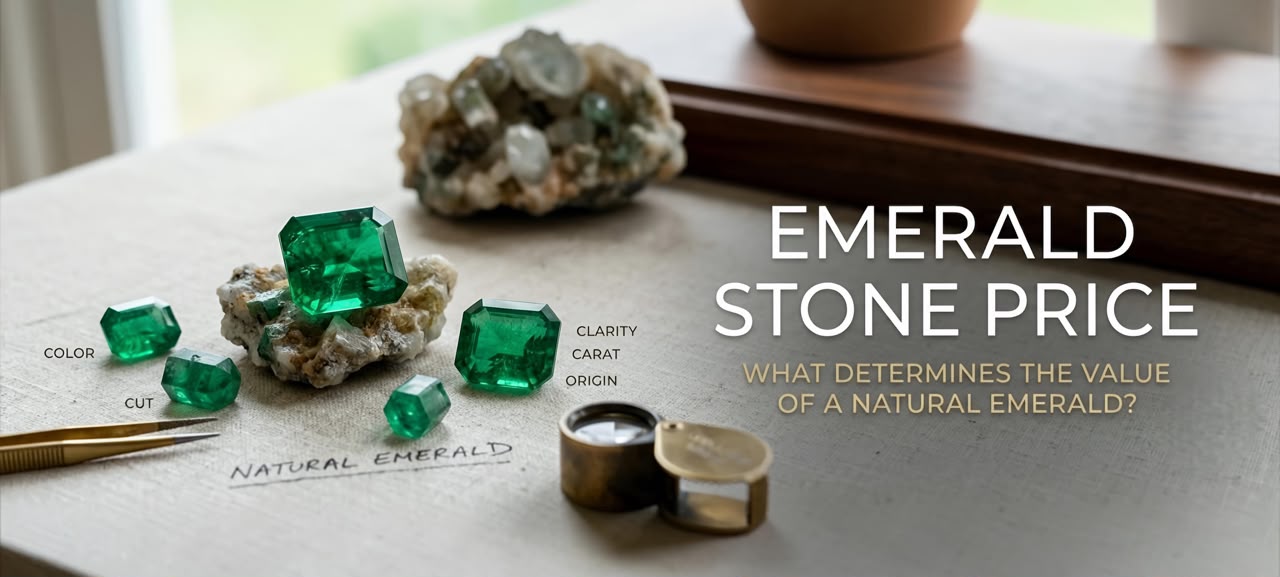
Emerald Stone Price: What Determines the Value of a Natural Emerald?
September 25th, 2026 -
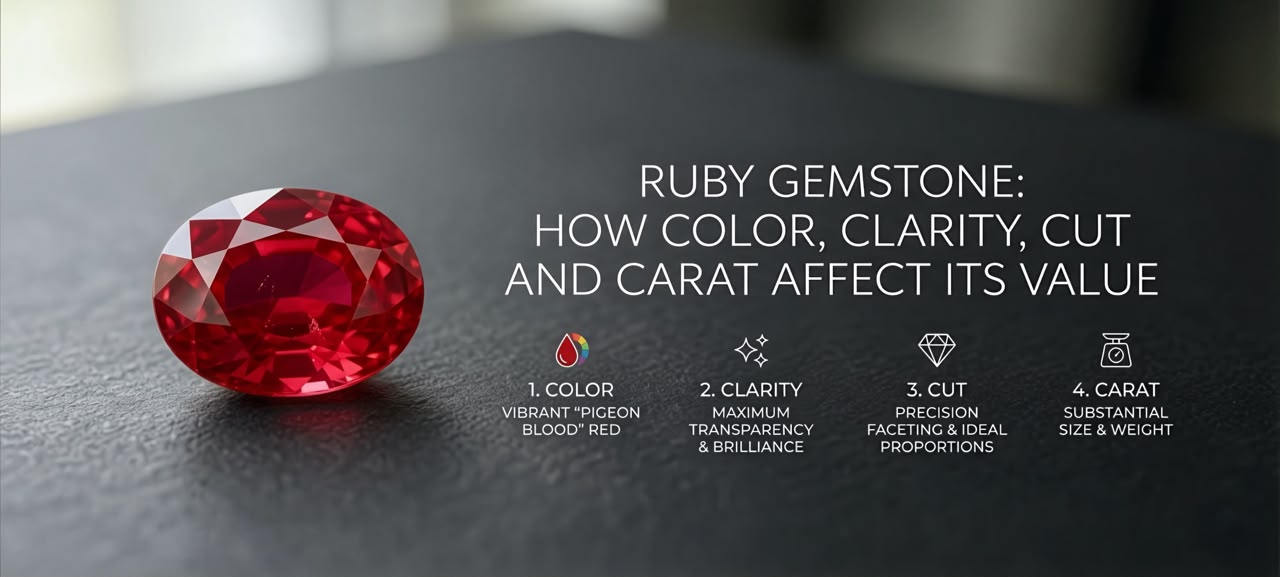
Ruby Gemstone: How Color, Clarity, Cut and Carat Affect Its Value
September 22nd, 2026